Embark on a culinary adventure with Fleischmann’s Active Dry Yeast Recipes, a comprehensive guide that unlocks the secrets of perfect bread, pizza, pastries, doughnuts, and more. From the science behind fermentation to foolproof techniques, this collection empowers home bakers of all levels to create mouthwatering baked goods that will impress and delight.
With Fleischmann’s Active Dry Yeast as your trusted companion, you’ll discover the joy of crafting artisan loaves with a golden crust and fluffy interior, savor the irresistible aroma of freshly baked pizza dough, indulge in flaky pastries that melt in your mouth, and master the art of fluffy doughnuts that will make your taste buds dance.
Bread Recipes
Bread, a staple food for many cultures, is made from flour, water, and yeast. Fleischmann’s Active Dry Yeast is a reliable and convenient option for home bakers. It is a living organism that, when activated in warm water, feeds on the sugars in the flour and produces carbon dioxide gas. This gas creates bubbles in the dough, which expand during baking, giving bread its characteristic texture and rise.
Types of Bread
Fleischmann’s Active Dry Yeast can be used to make a wide variety of bread, including:
- White bread: A classic bread made from white flour, with a soft, fluffy texture.
- Whole wheat bread: A healthier option made from whole wheat flour, with a denser texture and nutty flavor.
- Rye bread: A flavorful bread made from rye flour, with a slightly sour taste.
- Sourdough bread: A tangy bread made with a sourdough starter, which is a fermented mixture of flour and water.
- Brioche bread: A rich bread made with butter and eggs, with a soft, buttery texture.
Techniques
Using Fleischmann’s Active Dry Yeast for bread baking is a simple process. Here are the basic steps:
- Activate the yeast: Sprinkle the yeast over warm water (105-115°F) and let it sit for 5-10 minutes, or until it becomes foamy.
- Mix the ingredients: In a large bowl, combine the flour, salt, and any other desired ingredients.
- Add the yeast mixture: Pour the activated yeast mixture into the flour mixture and stir until a dough forms.
- Knead the dough: Turn the dough out onto a lightly floured surface and knead for 5-10 minutes, or until it becomes smooth and elastic.
- Let the dough rise: Place the dough in a greased bowl, cover it with plastic wrap, and let it rise in a warm place for 1-2 hours, or until it has doubled in size.
- Punch down the dough: Once the dough has risen, punch it down to release the air bubbles.
- Shape the dough: Divide the dough into loaves and shape them as desired.
- Let the dough rise again: Place the loaves on a baking sheet, cover them with plastic wrap, and let them rise for 30-45 minutes, or until they have almost doubled in size.
- Bake the bread: Preheat the oven to 375°F (190°C) and bake the bread for 30-45 minutes, or until it is golden brown and sounds hollow when tapped.
With Fleischmann’s Active Dry Yeast, you can create delicious, homemade bread with ease.
Pizza Recipes

Pizza is a beloved dish enjoyed worldwide, and making it at home can be a rewarding experience. Fleischmann’s Active Dry Yeast is an excellent choice for crafting delicious pizza dough, as it provides consistent results and a classic flavor.
Using Fleischmann’s Active Dry Yeast for pizza dough offers several advantages. It is easy to use, requiring only a few simple steps to activate. The yeast produces a reliable rise, resulting in a light and airy crust. Additionally, Fleischmann’s Active Dry Yeast imparts a subtle, nutty flavor that complements the other ingredients in the dough.
Techniques for Preparing and Handling Pizza Dough
Preparing pizza dough with Fleischmann’s Active Dry Yeast is straightforward. Start by proofing the yeast in warm water with a pinch of sugar. Once the yeast is foamy and active, add it to a mixture of flour, salt, and olive oil. Knead the dough until it becomes smooth and elastic. Allow the dough to rise in a warm place for at least an hour, or until doubled in size.
When shaping the pizza dough, use a gentle touch to avoid deflating it. Stretch or roll out the dough into a thin, even circle. Top with your favorite sauce, cheese, and toppings, and bake in a preheated oven until the crust is golden brown and the cheese is melted and bubbly.
Pastries and Baked Goods
Fleischmann’s Active Dry Yeast adds a touch of magic to your pastries and baked goods, elevating them to a whole new level of flakiness and flavor. It’s the secret ingredient that transforms ordinary dough into extraordinary creations, from delicate croissants to hearty bread loaves.
Techniques for Incorporating Fleischmann’s Active Dry Yeast
Incorporating Fleischmann’s Active Dry Yeast into your pastries and baked goods is a breeze. Simply follow these simple steps:
– Proof the yeast: This step is crucial for activating the yeast and ensuring it’s alive and ready to work its magic. Mix the yeast with warm water and a pinch of sugar and let it sit for 5-10 minutes until it becomes foamy.
– Add to the dough: Once the yeast is proofed, add it to your dough mixture along with the other ingredients. Mix well until the dough comes together.
– Knead the dough: Kneading the dough helps develop the gluten, which gives your pastries and baked goods their structure and elasticity. Knead for 5-10 minutes until the dough becomes smooth and elastic.
– Let the dough rise: After kneading, let the dough rise in a warm place for 1-2 hours, or until it has doubled in size. This gives the yeast time to ferment the dough and produce the carbon dioxide that creates those coveted air pockets.
– Shape and bake: Once the dough has risen, shape it into your desired pastries or baked goods and bake according to the recipe instructions.
Recipes for Pastries and Baked Goods with Fleischmann’s Active Dry Yeast
Here are some delectable recipes that showcase the transformative power of Fleischmann’s Active Dry Yeast:
– Croissants: Flaky, buttery croissants are a classic pastry that’s perfect for any occasion. With Fleischmann’s Active Dry Yeast, you can create these delectable pastries right in your own kitchen.
– Cinnamon rolls: Warm, gooey cinnamon rolls are the ultimate comfort food. The combination of sweet cinnamon and fluffy dough is irresistible, and Fleischmann’s Active Dry Yeast ensures they’re perfectly risen and flavorful.
– Pizza dough: Homemade pizza dough is a game-changer for your pizza nights. With Fleischmann’s Active Dry Yeast, you can create a crispy, flavorful crust that will elevate your pizzas to the next level.
Doughnuts and Sweet Treats
Fleischmann’s Active Dry Yeast is a versatile ingredient that can be used to make a variety of doughnuts and other sweet treats. These treats are not only delicious but also relatively easy to make, making them a great option for home bakers of all skill levels.
When making doughnuts with Fleischmann’s Active Dry Yeast, it is important to follow the package directions carefully. This will ensure that the yeast is properly activated and that the doughnuts rise properly. Once the dough has risen, it can be cut into doughnuts and fried. The doughnuts should be fried in hot oil until they are golden brown. Once the doughnuts are fried, they can be coated in sugar or glaze and served.
Creating Different Flavors and Toppings
There are many different ways to create different flavors and toppings for doughnuts and other sweet treats made with Fleischmann’s Active Dry Yeast. Some popular flavors include:
- Cinnamon sugar
- Chocolate
- Vanilla
- Strawberry
- Blueberry
Toppings can also be used to add flavor and visual appeal to doughnuts and other sweet treats. Some popular toppings include:
- Sprinkles
- Nuts
- Fruit
- Whipped cream
- Chocolate chips
With a little creativity, there are endless possibilities for creating delicious and visually appealing doughnuts and other sweet treats using Fleischmann’s Active Dry Yeast.
If you’re looking for a versatile ingredient that can elevate your culinary creations, look no further than Fleischmann’s Active Dry Yeast Recipes. From fluffy breads to mouthwatering pizzas, these recipes offer endless possibilities for bakers of all levels. And for a side dish that pairs perfectly with any meal, try our Brown Jasmine Rice Recipe . Its nutty flavor and aromatic scent will complement your main course effortlessly.
Return to Fleischmann’s Active Dry Yeast Recipes for more inspiration and discover the joy of baking with confidence.
Fermentation and Activation

Fermentation and activation are crucial steps in baking with Fleischmann’s Active Dry Yeast. Let’s explore the process, ideal conditions, and tips for successful fermentation and activation.
Ideal Conditions for Activation, Fleischmann’S Active Dry Yeast Recipes
To activate Fleischmann’s Active Dry Yeast, it requires a warm, sugary environment. The ideal temperature range is between 105-115°F (40-46°C). This can be achieved by dissolving the yeast in warm water (105-115°F) with a pinch of sugar. The sugar provides nourishment for the yeast, kick-starting the fermentation process.
Tips for Successful Fermentation and Activation
– Proof the yeast before using: To ensure the yeast is active and alive, proof it by mixing it with warm water and a pinch of sugar. Let it sit for 5-10 minutes until it becomes foamy. If it doesn’t foam, the yeast may be dead or inactive, and you should discard it and start over.
– Use fresh, high-quality yeast: Expired or low-quality yeast may not activate properly, leading to poor fermentation and dough rise.
– Avoid killing the yeast: Boiling water or temperatures above 130°F (54°C) can kill the yeast, so make sure the water is warm but not too hot.
– Give it time: Fermentation takes time, so be patient and allow the yeast to activate and multiply. This can take anywhere from 5 to 10 minutes.
– Don’t over-ferment: Over-fermenting the yeast can produce off-flavors and weaken the dough’s structure. Monitor the fermentation process and stop it when the dough has doubled in size.
Yeast Characteristics: Fleischmann’S Active Dry Yeast Recipes

Fleischmann’s Active Dry Yeast is a type of yeast that is commonly used in baking. It is a dried form of yeast that has been deactivated and can be stored for long periods of time. When it is added to warm water, it reactivates and begins to ferment, producing carbon dioxide gas that causes bread and other baked goods to rise.
Fleischmann’s Active Dry Yeast is a versatile yeast that can be used in a variety of recipes. It is a good choice for beginners because it is easy to use and produces consistent results.
Comparison to Other Types of Yeast
There are several different types of yeast that can be used in baking, including active dry yeast, instant yeast, and fresh yeast. Active dry yeast is the most common type of yeast used in home baking. It is less expensive than instant yeast and fresh yeast, and it has a longer shelf life.
Instant yeast is a type of yeast that has been dried and granulated. It does not need to be dissolved in water before it is used, and it can be added directly to the flour. Instant yeast is more expensive than active dry yeast, but it is easier to use and produces faster results.
Fresh yeast is a type of yeast that is sold in a moist, compressed form. It is the most perishable type of yeast, and it must be used within a few days of purchase. Fresh yeast is more expensive than active dry yeast and instant yeast, but it produces the best flavor and texture in baked goods.
Advantages and Disadvantages of Using Fleischmann’s Active Dry Yeast
There are several advantages to using Fleischmann’s Active Dry Yeast. It is a versatile yeast that can be used in a variety of recipes. It is also a good choice for beginners because it is easy to use and produces consistent results. Additionally, Fleischmann’s Active Dry Yeast is relatively inexpensive and has a long shelf life.
There are also some disadvantages to using Fleischmann’s Active Dry Yeast. It does not produce as much flavor as fresh yeast, and it can take longer to rise than instant yeast. Additionally, active dry yeast must be dissolved in warm water before it is used, which can be an extra step in the baking process.
Storage and Handling
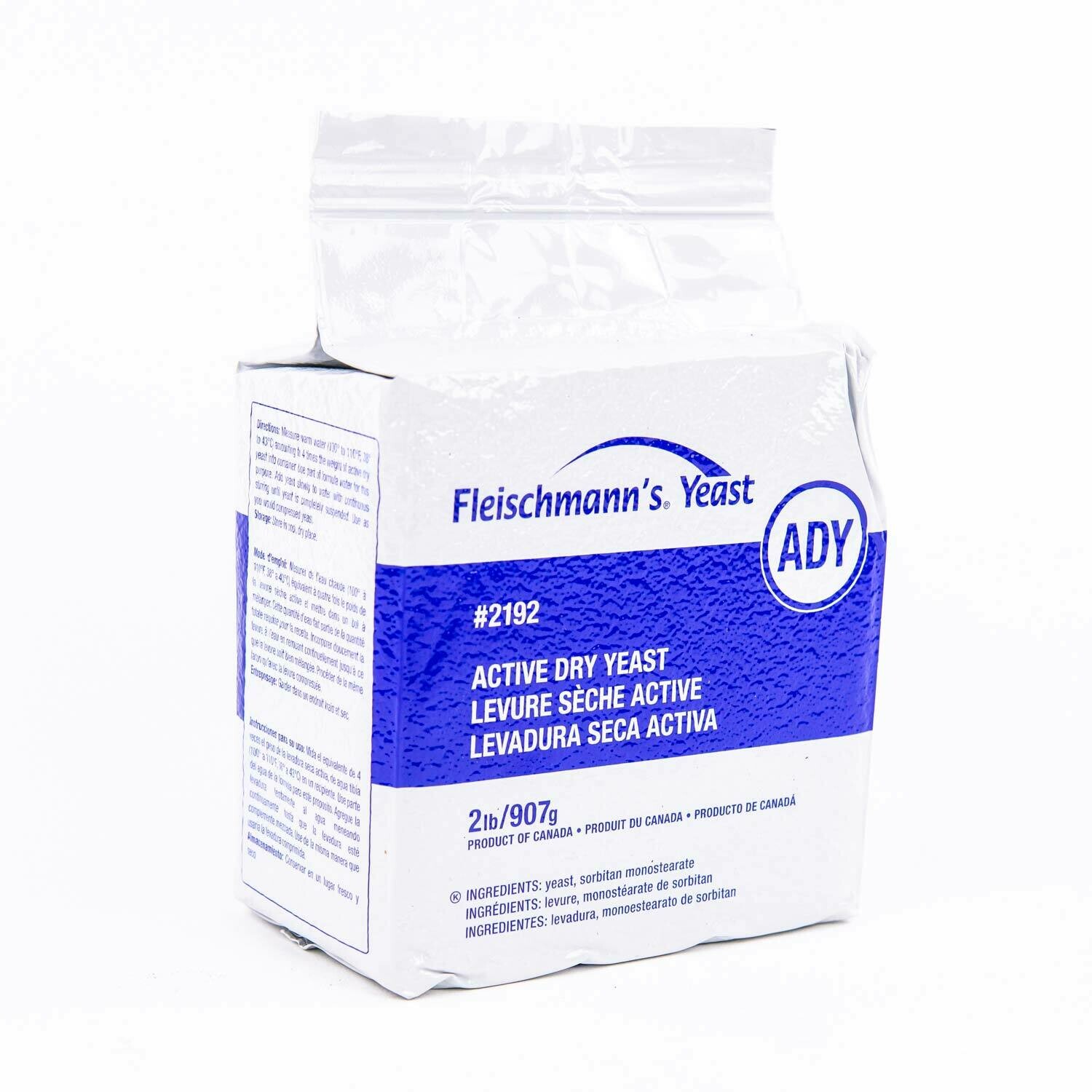
Proper storage and handling of Fleischmann’s Active Dry Yeast are crucial to ensure its optimal performance in baking. Let’s dive into the guidelines for keeping your yeast fresh and effective.
Shelf Life and Storage Conditions
Fleischmann’s Active Dry Yeast has an extended shelf life when stored properly. It can last up to two years if kept in a cool, dry place, away from direct sunlight and heat sources.
Handling and Measuring
When handling Fleischmann’s Active Dry Yeast, it’s essential to follow proper techniques to maintain its viability and accuracy in measurements. Always use clean utensils to prevent contamination and measure the yeast accurately using a kitchen scale or measuring spoons. Remember, a little goes a long way, so measure carefully to avoid overpowering your baked goods with yeast flavor.
Troubleshooting
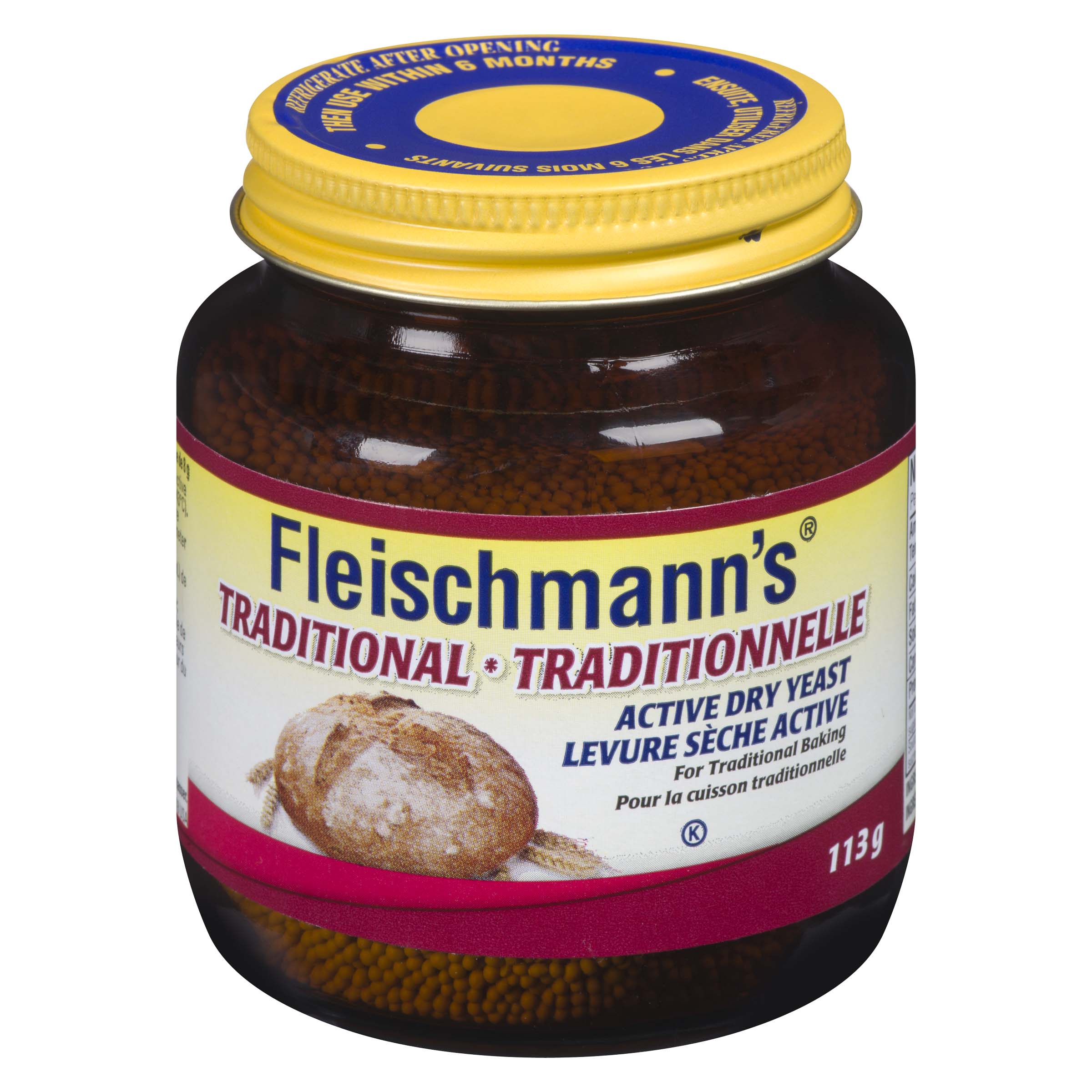
Using Fleischmann’s Active Dry Yeast is generally straightforward, but occasional issues can arise. Here are some common problems and their troubleshooting tips to help you achieve successful baking results.
If you encounter difficulties with fermentation, dough rising, or baking, don’t fret. This guide will provide you with the necessary troubleshooting tips to overcome these challenges and ensure your baking endeavors are a success.
Yeast Not Activating
- Cause: Water temperature too hot or cold
- Solution: Use lukewarm water (105-115°F or 40-46°C)
- Cause: Yeast expired or not stored properly
- Solution: Check the expiration date and store yeast in a cool, dry place
Dough Not Rising
- Cause: Not enough yeast
- Solution: Add more yeast according to the recipe
- Cause: Dough too cold
- Solution: Place dough in a warm place (70-80°F or 21-27°C)
Bread Dense or Undercooked
- Cause: Overproofing
- Solution: Do not let dough rise for too long
- Cause: Oven temperature too low
- Solution: Increase oven temperature according to the recipe
Yeast Flavor Too Strong
- Cause: Too much yeast
- Solution: Reduce the amount of yeast in the recipe
- Cause: Dough not kneaded enough
- Solution: Knead dough thoroughly to develop gluten and release yeast flavor
Yeast Substitutes
When you’re out of Fleischmann’s Active Dry Yeast, don’t fret! There are several potential substitutes that can come to your rescue.
While these substitutes may not be exact replicas, they offer similar leavening properties and can help you achieve delicious baked goods.
If you’re craving something authentic and comforting, try out our Fleischmann’S Active Dry Yeast Recipes! Our secret blend of ingredients will elevate your baking game to new heights. And if you’re looking for something a bit more exotic, check out our Thai Wheat Noodles Recipe . This tantalizing dish combines the richness of Fleischmann’S Active Dry Yeast with the vibrant flavors of Thai cuisine.
Whether you’re a seasoned baker or just starting out, our Fleischmann’S Active Dry Yeast Recipes will help you create delicious and unforgettable treats.
Instant Yeast
- Instant yeast, also known as rapid-rise or bread machine yeast, is a great substitute for Fleischmann’s Active Dry Yeast.
- It’s more finely ground and can be added directly to the flour without needing to be dissolved in water first.
- Use the same amount of instant yeast as you would Fleischmann’s Active Dry Yeast.
Cake Yeast
- Cake yeast, also called fresh yeast, is another option.
- It’s sold in small cubes and needs to be crumbled and dissolved in warm water before using.
- Use about twice the amount of cake yeast as you would Fleischmann’s Active Dry Yeast.
Baking Powder and Baking Soda
- In a pinch, you can use a combination of baking powder and baking soda as a yeast substitute.
- For every teaspoon of Fleischmann’s Active Dry Yeast, use 1 teaspoon of baking powder and 1/2 teaspoon of baking soda.
- Keep in mind that this substitute will not give your baked goods the same flavor or texture as yeast.
Historical and Cultural Significance
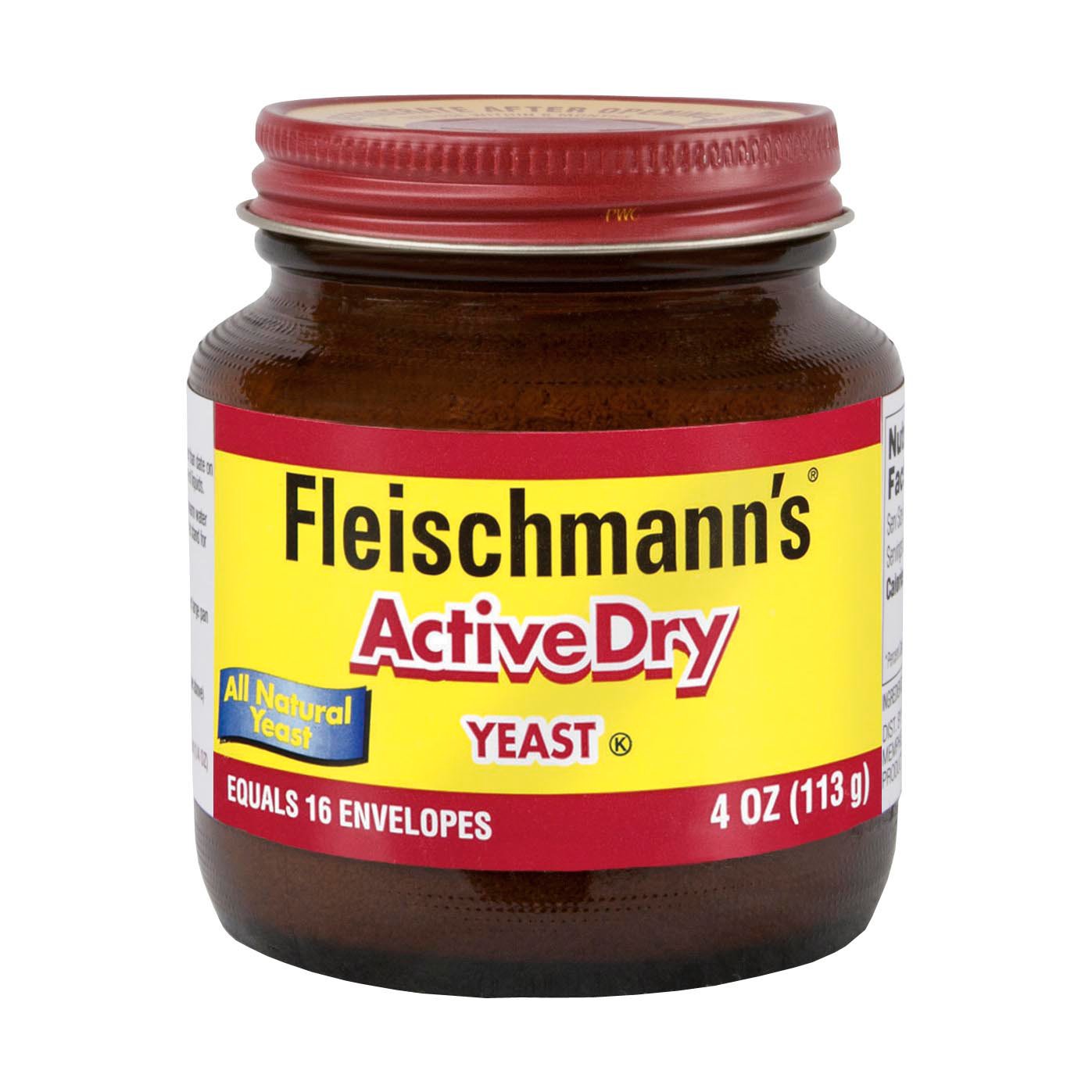
Fleischmann’s Active Dry Yeast has a rich history, deeply intertwined with culinary traditions and innovations around the globe. Its impact on baking and fermentation practices has shaped cultures and cuisines, leaving an enduring legacy in the culinary realm.
Role in Culinary Traditions
Fleischmann’s Active Dry Yeast has played a pivotal role in shaping bread-making techniques worldwide. Its consistent quality and ease of use revolutionized home baking, making it accessible to countless households. In countries like Italy, France, and Germany, where bread is a cultural staple, Fleischmann’s Active Dry Yeast has become synonymous with the art of breadmaking.
Influence on Culinary Innovations
Beyond traditional breadmaking, Fleischmann’s Active Dry Yeast has also fueled culinary innovations. Its versatility has enabled bakers and chefs to experiment with new flavors and textures, leading to the creation of innovative pastries, pizzas, and other baked goods. From the iconic American doughnut to the delicate croissants of France, Fleischmann’s Active Dry Yeast has been a driving force behind culinary creativity.
Anecdotes and Stories
Throughout history, Fleischmann’s Active Dry Yeast has been woven into countless anecdotes and stories that capture its cultural significance. One such tale recounts how during World War II, Fleischmann’s Active Dry Yeast was used to make bread for soldiers on the front lines, providing sustenance and a taste of home in the midst of conflict.
Last Point
Whether you’re a seasoned baker or just starting your journey into the world of baking, Fleischmann’s Active Dry Yeast Recipes is your ultimate resource. Embrace the power of this culinary companion and transform your kitchen into a haven of delicious creations that will leave a lasting impression on your palate and the hearts of those you share them with.