Pheasant Under Glass Recipe: An exquisite dish that tantalizes taste buds with its symphony of flavors and textures, inviting you on a culinary journey through history and gastronomy.
From the meticulous preparation of the pheasant to the artful assembly and baking, this recipe unveils the secrets of creating a masterpiece that will impress even the most discerning palate.
Pheasant Preparation
Preparing a pheasant for cooking involves several steps to ensure a clean and well-prepared bird. The process includes removing the feathers, skinning, and cleaning the pheasant’s internal organs.
Plucking the Feathers
To remove the feathers, start by scalding the pheasant in hot water for a few minutes. This will loosen the feathers and make them easier to pluck. Use a sharp knife to cut off the head and feet, then begin plucking the feathers from the tail towards the neck. Hold the pheasant firmly and pull the feathers out in the direction of their growth.
Skinning the Pheasant
Once the feathers are removed, skin the pheasant by making a small incision on the back of the neck. Carefully pull the skin away from the flesh, working your way down the body. Avoid tearing the skin, as this can affect the presentation of the cooked pheasant.
Cleaning the Pheasant
After skinning, remove the internal organs of the pheasant. Cut open the abdominal cavity and carefully remove the intestines, heart, liver, and lungs. Rinse the cavity thoroughly with cold water to remove any remaining blood or debris. Pat the pheasant dry with paper towels before cooking.
Marinade Options
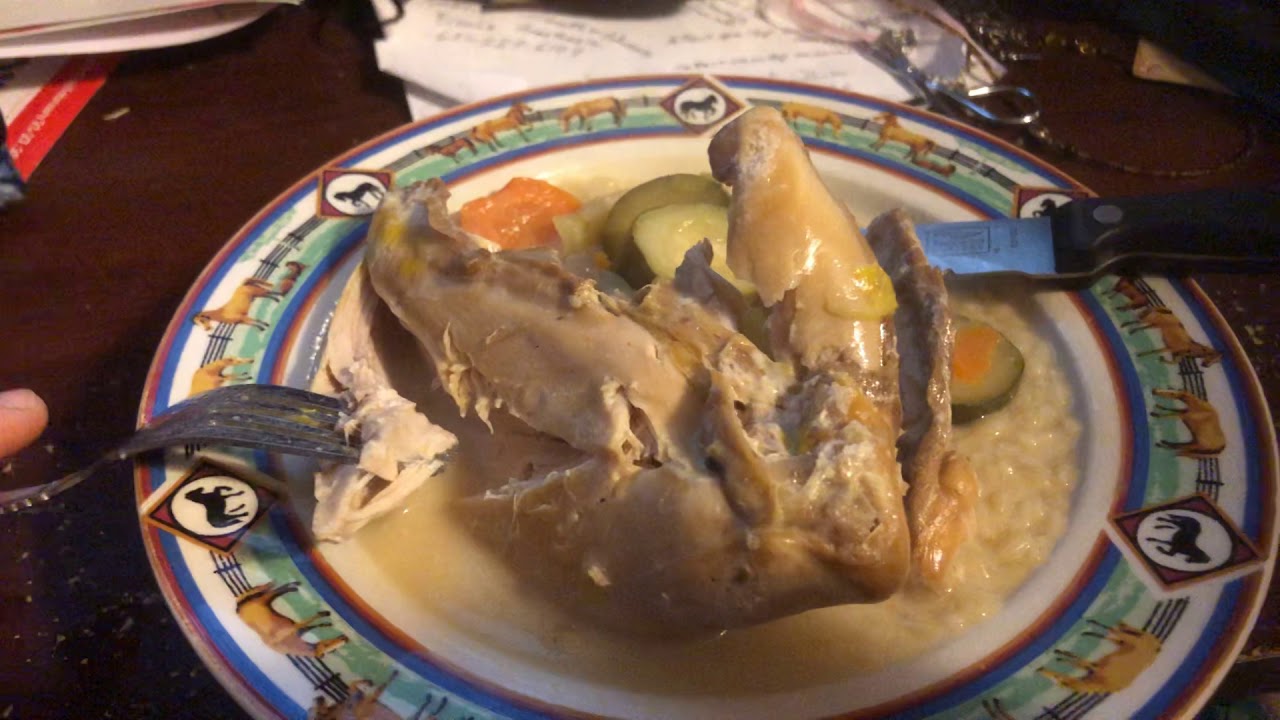
Marinating pheasant before cooking is a crucial step to enhance its flavor and tenderness. There are various marinade recipes that can be used, each imparting unique flavors and textures to the bird.
The duration of marinating depends on the size of the pheasant and the desired level of flavor penetration. Smaller pheasants may require only a few hours of marinating, while larger ones may benefit from overnight marinating.
Basic Marinade
- 1 cup red wine
- 1/2 cup olive oil
- 1/4 cup chopped fresh herbs (such as thyme, rosemary, or sage)
- 2 cloves garlic, minced
- 1 teaspoon salt
- 1/2 teaspoon black pepper
This basic marinade provides a subtle enhancement to the pheasant’s natural flavor. The red wine adds depth and richness, while the herbs and spices provide aromatic notes.
Citrus Marinade
- 1 cup orange juice
- 1/2 cup lemon juice
- 1/4 cup honey
- 2 cloves garlic, minced
- 1 teaspoon salt
- 1/2 teaspoon black pepper
The citrus marinade imparts a bright and tangy flavor to the pheasant. The orange and lemon juices provide a refreshing acidity, while the honey adds a touch of sweetness. This marinade is particularly suitable for grilling or roasting the pheasant.
Yogurt Marinade
- 1 cup plain yogurt
- 1/2 cup chopped fresh cilantro
- 1/4 cup chopped fresh mint
- 2 cloves garlic, minced
- 1 teaspoon ground cumin
- 1/2 teaspoon salt
- 1/4 teaspoon black pepper
The yogurt marinade adds a creamy and tangy flavor to the pheasant. The yogurt helps tenderize the meat, while the herbs and spices provide a flavorful complexity. This marinade is well-suited for dishes such as curries or kebabs.
Brine Marinade
- 1 gallon water
- 1 cup salt
- 1/2 cup sugar
- 1 bay leaf
- 10 peppercorns
A brine marinade is a salt-based solution used to enhance the juiciness and flavor of the pheasant. The salt helps to draw out moisture from the bird, creating a more flavorful and tender result. Brining is particularly effective for larger pheasants that require a longer cooking time.
Glassware Selection
The choice of glassware for Pheasant Under Glass is crucial as it influences the presentation and cooking process. Consider the size, shape, and material of the glassware to ensure it accommodates the pheasant, allows for even cooking, and enhances the visual appeal of the dish.
Size and Shape
Select a glassware that is large enough to comfortably fit the pheasant without overcrowding. The glassware should have a wide base to provide stability and prevent tipping. A tall, cylindrical shape is preferred to allow for the pheasant to stand upright, ensuring even cooking and preventing the meat from sticking to the bottom.
Pheasant Under Glass Recipe is a classic dish that combines the richness of pheasant with the sweetness of fruit. The dish is typically served with a sauce made from the juices of the pheasant and fruit, and it can be paired with a variety of side dishes, such as Cajun Boiled Peanut Recipe . Pheasant Under Glass Recipe is a versatile dish that can be enjoyed by people of all ages.
Material
Glassware made of heat-resistant materials such as Pyrex or tempered glass is recommended. These materials can withstand the high temperatures required for cooking the pheasant without cracking or breaking. Avoid using thin or fragile glassware as it may shatter during the cooking process.
Examples
- Glass baking dish: A large, rectangular glass baking dish is a versatile option that provides ample space for the pheasant and allows for easy handling.
- Dutch oven: A cast iron Dutch oven with a lid is a traditional choice for Pheasant Under Glass. The heavy base ensures even heat distribution, while the lid helps retain moisture and create a flavorful cooking environment.
- Casserole dish: A ceramic or porcelain casserole dish is a stylish and practical option that can be used both for cooking and serving the pheasant.
Stuffing Ingredients
Stuffing is an essential component of Pheasant Under Glass, adding flavor and moisture to the bird. Traditional stuffing ingredients include herbs, vegetables, and bread, while innovative options incorporate fruits, nuts, and spices.
Each ingredient plays a specific role in the stuffing’s flavor profile and texture:
Herbs
- Sage: Provides an earthy, slightly peppery flavor.
- Thyme: Adds a delicate, floral aroma and a hint of citrus.
- Rosemary: Contributes a pungent, piney flavor.
Vegetables
- Onion: Adds sweetness and depth of flavor.
- Celery: Provides a crisp texture and a subtle celery flavor.
- Mushrooms: Contribute a rich, umami flavor.
Bread
- White bread: Provides a soft and absorbent base for the stuffing.
- Cornbread: Adds a slightly sweet and crumbly texture.
- Sourdough bread: Contributes a tangy and flavorful base.
Innovative Ingredients
- Dried fruits: Cranberries, raisins, or apricots add sweetness and a chewy texture.
- Nuts: Almonds, walnuts, or pecans provide a crunchy contrast and a nutty flavor.
- Spices: Ground cloves, nutmeg, or cinnamon enhance the stuffing’s flavor complexity.
The stuffing ingredients are combined in a large bowl and mixed until well combined. The mixture should be moist but not soggy, and it should hold its shape when formed into balls. The stuffing is then placed inside the pheasant cavity before roasting.
Assembly Techniques
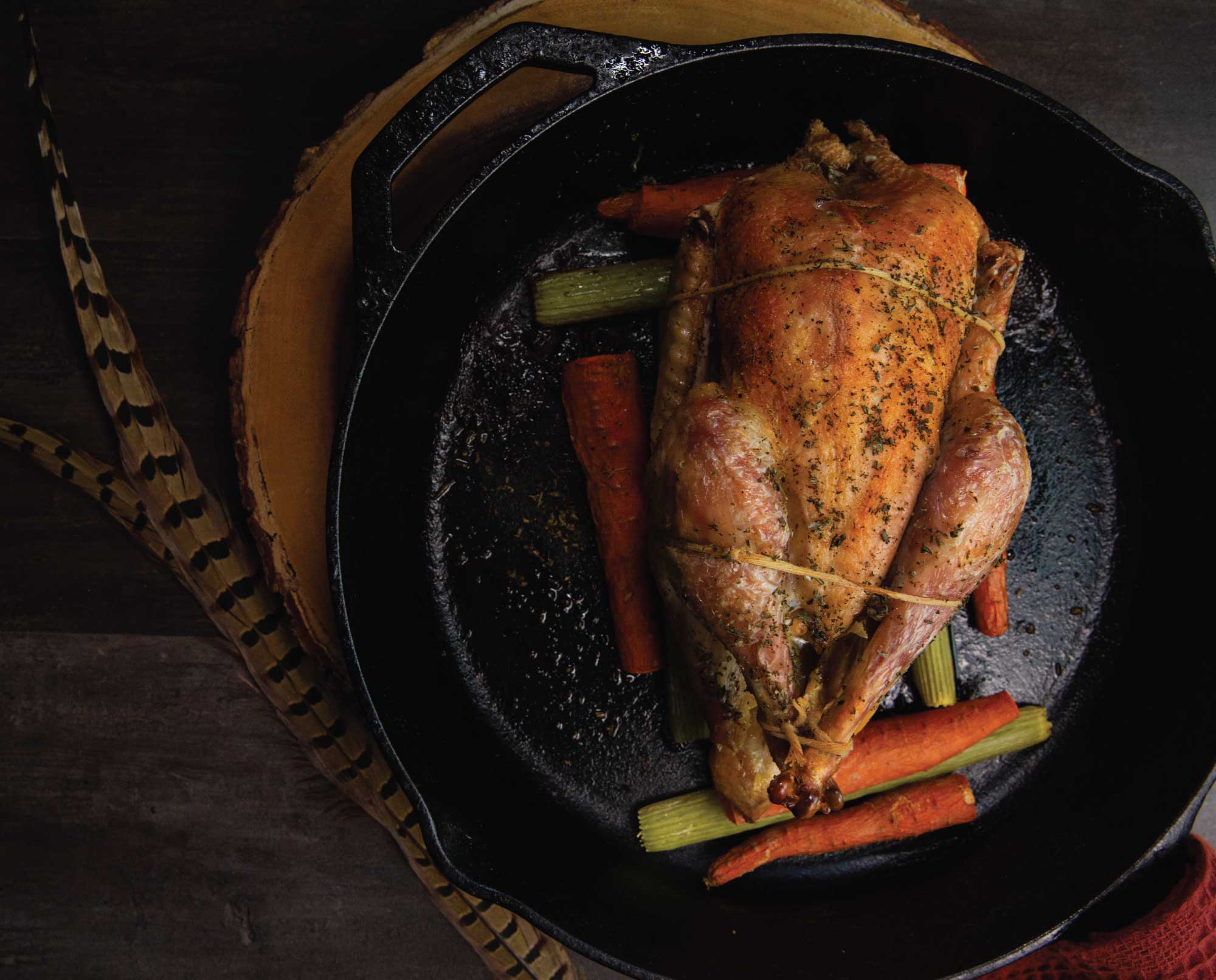
Assembling Pheasant Under Glass is a delicate process that requires careful attention to detail. Proper placement of the pheasant, stuffing, and other ingredients is essential for both presentation and cooking.
To ensure a successful assembly, follow these steps:
Pheasant Placement
- Place the pheasant, breast-side up, in the center of the glassware.
- Tuck the wings and legs under the body to create a compact shape.
Stuffing Placement
- Fill the cavity of the pheasant with the prepared stuffing.
- Do not overstuff, as this can prevent even cooking.
Additional Ingredients
- Arrange any additional ingredients, such as vegetables or herbs, around the pheasant.
- These ingredients will add flavor and visual appeal to the dish.
Presentation and Cooking
- Ensure the pheasant is positioned in the glassware so that it is visible from all sides.
- Cover the glassware with the lid and seal tightly to prevent steam from escaping.
- Place the glassware in a preheated oven and cook according to the recipe instructions.
Baking s
Pheasant Under Glass requires precise baking s to achieve the perfect texture and flavor. The oven temperature, cooking time, and monitoring techniques are crucial to ensure the bird is cooked to the desired doneness.
Oven Temperature and Cooking Time
Preheat the oven to 400°F (200°C). Place the pheasant in the preheated oven and roast for 45-60 minutes, or until the internal temperature reaches 165°F (74°C) as measured with a meat thermometer inserted into the thickest part of the thigh.
Monitoring the Cooking Process
Monitoring the cooking process is essential to prevent overcooking. Check the pheasant every 15-20 minutes, basting it with the pan juices to keep it moist. If the skin starts to brown too quickly, cover the pheasant loosely with foil.
Pheasant Under Glass is a classic French dish that combines pheasant meat with a rich, flavorful sauce. While it may seem like a complex dish to prepare, it’s actually quite simple. And if you’re looking for a sweet treat to pair with your Pheasant Under Glass, be sure to check out the Paula Deen Pecan Pie Recipe . This Southern classic is sure to satisfy your sweet tooth and complement the savory flavors of the Pheasant Under Glass.
Sauce Preparation
Sauces play a crucial role in elevating the flavors and textures of Pheasant Under Glass. They provide a rich, flavorful complement to the tender pheasant meat, enhancing the overall dining experience.
The choice of sauce depends on personal preferences and the desired flavor profile. Here are some popular sauce recipes that pair well with Pheasant Under Glass:
Classic Madeira Sauce
- Ingredients:
- 1 cup Madeira wine
- 1/2 cup beef broth
- 1/4 cup butter
- 1/4 cup flour
- Salt and pepper to taste
- Cooking Method:
- In a saucepan, combine Madeira wine and beef broth. Bring to a simmer and reduce by half.
- In a separate saucepan, melt butter over medium heat. Whisk in flour and cook for 1 minute.
- Gradually whisk in the reduced wine mixture until smooth.
- Season with salt and pepper to taste.
Creamy Mushroom Sauce
- Ingredients:
- 1 pound mushrooms, chopped
- 1/2 cup onion, chopped
- 2 cloves garlic, minced
- 1/2 cup butter
- 1/2 cup flour
- 2 cups milk
- 1/2 cup grated Parmesan cheese
- Salt and pepper to taste
- Cooking Method:
- In a large skillet, melt butter over medium heat. Add mushrooms, onion, and garlic and cook until softened.
- In a separate saucepan, melt butter over medium heat. Whisk in flour and cook for 1 minute.
- Gradually whisk in milk until smooth.
- Add mushroom mixture to the saucepan and bring to a simmer.
- Stir in Parmesan cheese and season with salt and pepper to taste.
Port Wine Sauce
- Ingredients:
- 1 cup Port wine
- 1/2 cup beef broth
- 1/4 cup sugar
- 1/4 cup butter
- 1/4 cup flour
- Salt and pepper to taste
- Cooking Method:
- In a saucepan, combine Port wine, beef broth, and sugar. Bring to a simmer and reduce by half.
- In a separate saucepan, melt butter over medium heat. Whisk in flour and cook for 1 minute.
- Gradually whisk in the reduced wine mixture until smooth.
- Season with salt and pepper to taste.
Orange-Thyme Sauce, Pheasant Under Glass Recipe
- Ingredients:
- 1 cup orange juice
- 1/2 cup white wine
- 1/4 cup honey
- 1/4 cup butter
- 1/4 cup flour
- 1 teaspoon dried thyme
- Salt and pepper to taste
- Cooking Method:
- In a saucepan, combine orange juice, white wine, and honey. Bring to a simmer and reduce by half.
- In a separate saucepan, melt butter over medium heat. Whisk in flour and cook for 1 minute.
- Gradually whisk in the reduced orange juice mixture until smooth.
- Add thyme and season with salt and pepper to taste.
These sauces offer a range of flavors and textures, from the rich and savory Madeira sauce to the creamy and earthy mushroom sauce. The Port wine sauce provides a fruity sweetness, while the orange-thyme sauce adds a refreshing citrus note. Experiment with different sauces to find the one that best complements your Pheasant Under Glass.
Presentation Ideas: Pheasant Under Glass Recipe
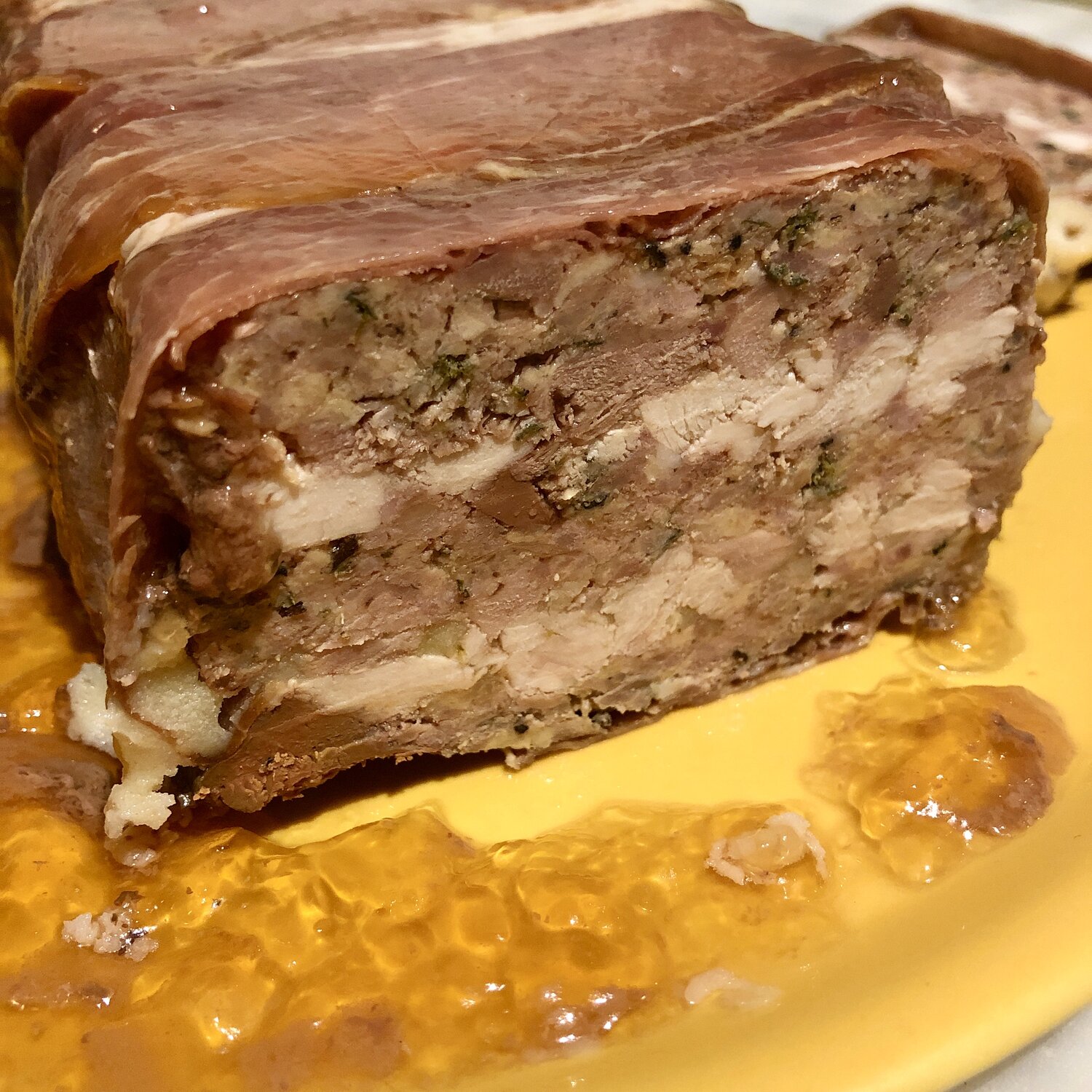
Pheasant Under Glass is a visually stunning dish that deserves an equally impressive presentation. Here are some creative ideas to make your Pheasant Under Glass the centerpiece of any special occasion:
Arrange the pheasant whole or in pieces on a serving platter. Surround it with a moat of the rich, flavorful sauce. Garnish with fresh herbs, such as thyme or rosemary, and colorful vegetables, such as carrots, celery, and peas. This classic presentation highlights the pheasant’s natural beauty and the vibrant colors of the vegetables.
Individual Serving
For a more elegant presentation, serve the Pheasant Under Glass in individual ramekins or small glass jars. This allows each guest to enjoy their own portion of the dish and appreciate its delicate flavors and textures. Garnish each ramekin with a sprig of fresh herbs and a drizzle of the sauce.
Glass Bell Jar
Elevate the presentation by using a glass bell jar to cover the Pheasant Under Glass. This creates a dramatic and sophisticated display that will impress your guests. The bell jar allows you to showcase the pheasant’s golden-brown skin and the vibrant colors of the sauce and vegetables. Garnish the base of the bell jar with fresh herbs or edible flowers for an extra touch of elegance.
Wine Pairing Suggestions
Pheasant Under Glass is a rich and flavorful dish that pairs well with a variety of wines. Here are a few suggestions to enhance your dining experience:
The bold flavors of the pheasant and the creamy sauce call for a wine with enough body to stand up to them. Full-bodied red wines, such as Cabernet Sauvignon or Merlot, are excellent choices. The tannins in these wines will help to cut through the fat in the dish, while the fruit flavors will complement the pheasant’s gamey notes.
White Wine Pairing
- Chardonnay: A full-bodied Chardonnay with a creamy texture and oaky flavors will pair well with the richness of the pheasant and the sauce.
- Pinot Grigio: A lighter-bodied Pinot Grigio with crisp acidity will help to balance the richness of the dish.
Red Wine Pairing
- Cabernet Sauvignon: A full-bodied Cabernet Sauvignon with firm tannins and dark fruit flavors will stand up to the bold flavors of the pheasant.
- Merlot: A medium-bodied Merlot with softer tannins and red fruit flavors will complement the gamey notes of the pheasant.
Historical Context
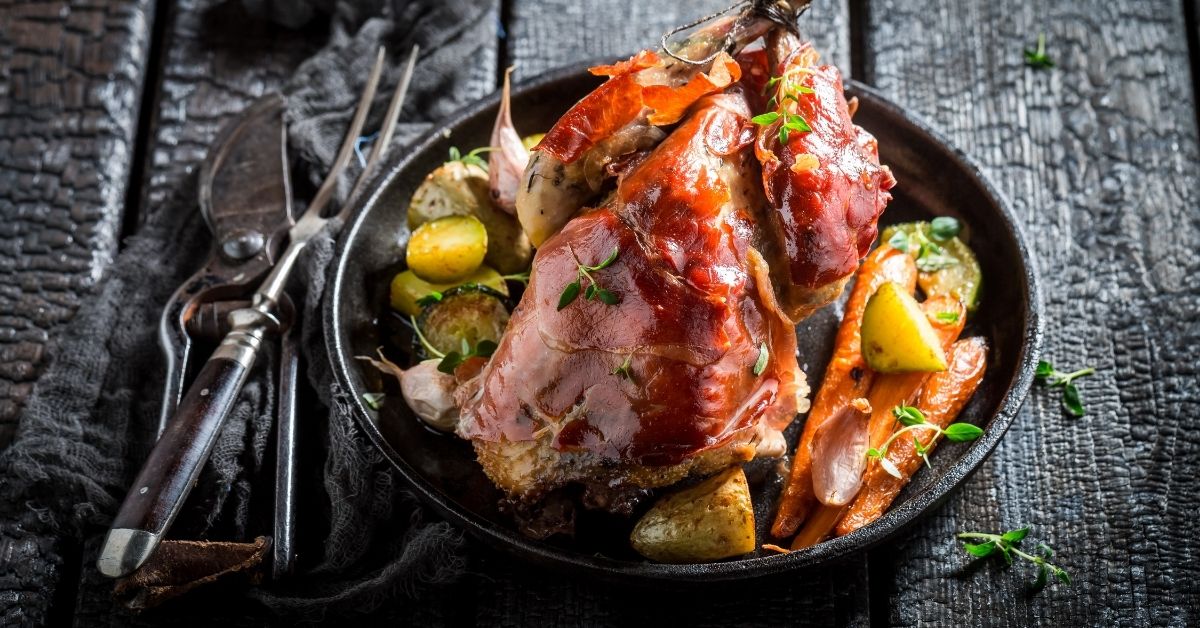
Pheasant Under Glass, a classic dish with a rich history, traces its origins back to the Middle Ages. During medieval banquets, it was a prized delicacy, often served as a centerpiece dish. The pheasant, a symbol of nobility and hunting prowess, was encased in a glass or pastry shell to showcase its beauty and preserve its flavors.
Over time, Pheasant Under Glass became popular in various cuisines, particularly in Europe. In the Renaissance, it was a staple at royal feasts and elaborate gatherings. By the 19th century, the dish had become a favorite among the upper classes, who enjoyed its luxurious presentation and exquisite taste.
Throughout history, Pheasant Under Glass has undergone variations and adaptations. In the 17th century, the French introduced a version called Faisan à la Royale, which involved marinating the pheasant in a rich sauce and stuffing it with truffles. The Victorians, known for their elaborate culinary creations, often presented Pheasant Under Glass as a centerpiece dish, decorated with edible flowers and other garnishes.
Today, Pheasant Under Glass remains a cherished dish, enjoyed by gourmands and history enthusiasts alike. It is a testament to the culinary artistry and cultural significance of a bygone era.
Notable Variations
Over the centuries, Pheasant Under Glass has seen several notable variations:
– French Faisan à la Royale: Marinated in a rich sauce and stuffed with truffles.
– English Pheasant Under Glass: Typically stuffed with a savory breadcrumb stuffing.
– Italian Fagiano in Vetro: Marinated in white wine and herbs, and often served with a creamy sauce.
– German Fasan im Glas: Stuffed with a mixture of sausage, apples, and nuts.
These variations showcase the diverse culinary traditions and regional influences that have shaped Pheasant Under Glass over the years.
Nutritional Information
Pheasant Under Glass is a dish that offers a balance of nutrients, providing a significant source of protein, vitamins, and minerals.
Calorie Content and Macronutrient Composition
A serving of Pheasant Under Glass typically contains around 400-500 calories. The majority of these calories come from protein and fat, with a moderate amount of carbohydrates.
Vitamins and Minerals
Pheasant Under Glass is a good source of several vitamins and minerals, including:
- Vitamin B12: Essential for red blood cell formation and nervous system function.
- Iron: Important for oxygen transport and red blood cell production.
- Zinc: Involved in immune function, wound healing, and cell growth.
- Phosphorus: Supports bone health, muscle function, and energy production.
Potential Health Benefits and Considerations
Consuming Pheasant Under Glass in moderation can provide several health benefits, such as:
- Improved Cardiovascular Health: The lean protein in pheasant can help lower cholesterol levels and reduce the risk of heart disease.
- Boosted Immune Function: The vitamins and minerals present in pheasant support a healthy immune system.
- Reduced Inflammation: The anti-inflammatory properties of pheasant can help reduce inflammation throughout the body.
However, it’s important to note that the dish is high in saturated fat, so individuals with heart disease or high cholesterol should consume it in moderation. Additionally, the sodium content of the stuffing and sauce should be considered for individuals with high blood pressure.
Summary
Pheasant Under Glass Recipe is a testament to the enduring power of culinary traditions, offering a harmonious blend of flavors and textures that will leave a lasting impression. Whether you’re a seasoned chef or an aspiring home cook, this recipe will guide you through every step, empowering you to recreate this iconic dish in your own kitchen.