Embark on a culinary adventure with pink oyster mushroom recipes, where the delicate taste and remarkable nutritional value of these mushrooms intertwine to create dishes that tantalize the taste buds and nourish the body. From their umami-rich flavor to their antioxidant and immune-boosting properties, pink oyster mushrooms offer a myriad of culinary and health benefits.
In this comprehensive guide, we delve into the delectable world of pink oyster mushroom recipes, exploring their versatility in various culinary applications, providing step-by-step cultivation techniques, and uncovering their potential health benefits.
Pink Oyster Mushroom Flavor and Nutritional Value

Pink oyster mushrooms boast a unique and delicate flavor profile, often described as mild, slightly fruity, and with a subtle hint of anise. This versatility makes them a culinary delight, as they can be incorporated into various dishes without overpowering other flavors.
Nutritional Value
Pink oyster mushrooms are a nutritional powerhouse, packed with an impressive array of essential nutrients. They are an excellent source of protein, containing all nine essential amino acids, making them a valuable addition to plant-based diets. Additionally, they are rich in dietary fiber, which promotes satiety, regulates blood sugar levels, and supports a healthy digestive system.Pink
oyster mushrooms are also a potent source of antioxidants, including ergothioneine, a powerful antioxidant that has been linked to reducing oxidative stress and protecting against chronic diseases. They are also a good source of vitamins and minerals, including niacin, riboflavin, potassium, and iron.
Versatile Culinary Applications: Pink Oyster Mushroom Recipes
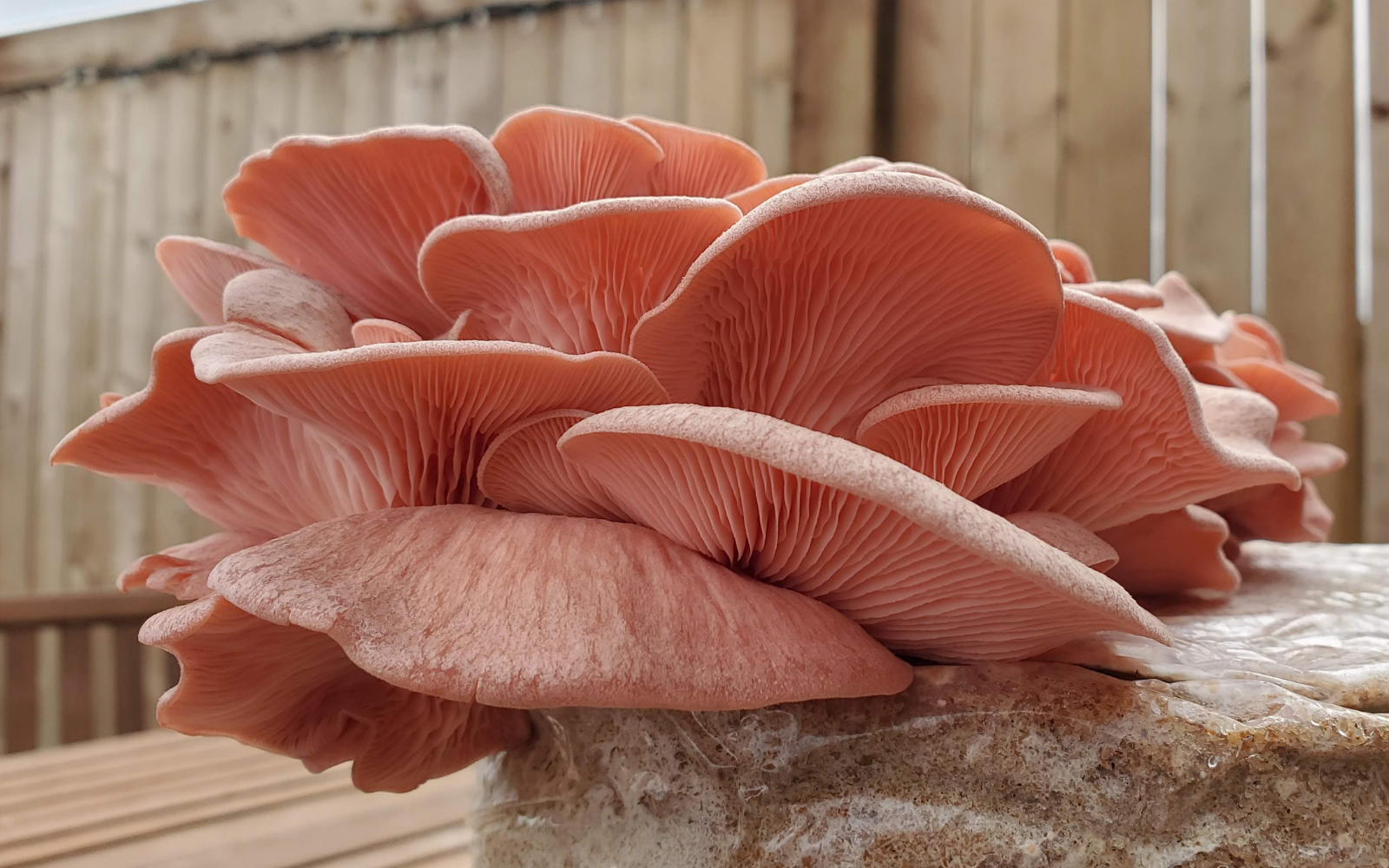
Pink oyster mushrooms offer an extraordinary culinary canvas for imaginative chefs and home cooks alike. Their firm texture and meaty flavor lend themselves to a myriad of cooking methods, making them a versatile addition to any culinary repertoire.
Raw and Marinated
Thinly sliced raw pink oyster mushrooms add a crisp, refreshing crunch to salads and poke bowls. Their delicate umami flavor complements light dressings and citrusy marinades, making them a vibrant and flavorful addition to any appetizer or light meal.
Sautéed and Roasted
Sautéed pink oyster mushrooms are a quick and easy way to enjoy their savory taste. Simply heat some oil in a pan and add the mushrooms. Cook until they release their liquid and become tender. Season with salt and pepper to taste, and add fresh herbs or a squeeze of lemon for a touch of brightness.
Roasting pink oyster mushrooms intensifies their flavor, creating a caramelized exterior with a tender interior. Toss them with olive oil, herbs, and spices, and roast in a preheated oven until they are golden brown and fragrant.
Pink oyster mushroom recipes are a treasure trove of culinary delights, offering a vibrant splash of color and earthy flavors to any dish. While exploring these delectable creations, you may stumble upon the tantalizing aroma of outback clam chowder, a hearty and comforting dish.
This outback clam chowder recipe weaves together tender clams, savory bacon, and creamy potatoes, creating a symphony of flavors that will warm your soul. As you savor the richness of the chowder, don’t forget to return to the realm of pink oyster mushroom recipes, where culinary adventures continue to unfold with every bite.
Grilled and Skewered
Grilled pink oyster mushrooms are a delightful summer treat. Thread them onto skewers with other vegetables or meats, and grill until they are tender and slightly charred. The smoky flavor of the grill pairs perfectly with the mushrooms’ umami richness.
Soups and Stews
Pink oyster mushrooms add depth and flavor to soups and stews. Their meaty texture holds up well to long cooking times, making them a perfect addition to hearty winter dishes. Simply add them to your favorite soup or stew recipe, and simmer until they are tender.
Cultivation and Harvesting Techniques
Cultivating pink oyster mushrooms is a rewarding endeavor that can be enjoyed by home enthusiasts and commercial growers alike. With the right techniques and optimal growing conditions, you can produce bountiful harvests of these flavorful and nutritious fungi.
Here’s a comprehensive guide to help you cultivate and harvest pink oyster mushrooms successfully:
Substrate Preparation
Pink oyster mushrooms thrive on a substrate rich in organic matter. Common substrates used for their cultivation include:
- Pasteurized straw
- Hardwood sawdust
- Cardboard
- Cottonseed hulls
The substrate should be adequately moistened but not waterlogged. Proper moisture content ensures optimal mycelial growth and mushroom formation.
Inoculation
Once the substrate is prepared, it’s time to inoculate it with pink oyster mushroom spawn. Spawn refers to the mycelium, or vegetative growth, of the mushroom.
Inoculation can be done by mixing the spawn thoroughly with the substrate or by spreading it evenly over the surface. The spawn will colonize the substrate, gradually forming a white mycelium.
Incubation
After inoculation, the substrate needs to be incubated in a dark, humid environment to promote mycelial growth. Ideal incubation conditions include temperatures between 20-25°C (68-77°F) and relative humidity above 90%.
Pink oyster mushrooms can be sautéed, grilled, or roasted to create delectable dishes. Their mild flavor and meaty texture make them a versatile ingredient. If you’re looking for more culinary inspiration, check out our collection of 6 cup bundt pan recipes . These recipes offer a variety of sweet and savory options, from classic bundt cakes to creative savory dishes.
Once you’ve explored the world of bundt pan recipes, return to the delicate flavors of pink oyster mushrooms for a truly unforgettable culinary experience.
During incubation, the mycelium will gradually spread throughout the substrate, consuming the organic matter and preparing the substrate for mushroom formation.
Fruiting
Once the mycelium has fully colonized the substrate, it’s time to initiate fruiting. This is done by exposing the substrate to light and reducing humidity.
Fruiting can be induced by moving the substrate to a well-lit area or by providing artificial lighting. Pink oyster mushrooms prefer indirect sunlight or fluorescent lighting for optimal growth.
Harvesting, Pink oyster mushroom recipes
Pink oyster mushrooms are ready to harvest when the caps are fully developed but before the edges begin to curl. Harvesting should be done by gently twisting or cutting the mushrooms at the base.
Freshly harvested pink oyster mushrooms should be stored in a refrigerator at temperatures between 2-4°C (36-39°F) for up to 10 days.
Health Benefits and Medicinal Properties
Pink oyster mushrooms are gaining recognition for their potential health benefits, attributed to their rich composition of antioxidants, anti-inflammatory compounds, and immune-boosting properties.
Research suggests that these mushrooms possess antioxidant activity, protecting cells from oxidative damage caused by free radicals. They contain ergothioneine, a potent antioxidant that has been linked to reduced inflammation and improved cognitive function.
Anti-inflammatory Properties
- Pink oyster mushrooms contain compounds that exhibit anti-inflammatory effects, reducing inflammation throughout the body.
- Studies have shown that they can inhibit the production of pro-inflammatory cytokines, such as interleukin-6 and tumor necrosis factor-alpha.
Immune-Boosting Properties
- Pink oyster mushrooms are a good source of beta-glucans, polysaccharides that stimulate the immune system.
- These compounds activate immune cells, such as macrophages and natural killer cells, enhancing the body’s ability to fight infections and diseases.
Last Point
Whether you’re a seasoned chef or a culinary novice, pink oyster mushroom recipes offer a delightful and nutritious addition to your culinary repertoire. Their unique texture, umami flavor, and impressive health benefits make them a culinary treasure that deserves a place in every kitchen.