Embark on a culinary adventure with the beloved pork guisantes Hawaii recipe, a tantalizing fusion of traditional Hawaiian flavors and modern culinary innovation.
This cherished dish has captivated taste buds for generations, showcasing the unique blend of savory pork, tender peas, and vibrant vegetables that define Hawaiian cuisine.
Authentic Pork Guisantes Hawaiian Style
Pork guisantes is a beloved dish in Hawaii, reflecting the islands' rich cultural heritage and culinary influences. Its origins can be traced back to the arrival of Filipino immigrants in the late 19th century, who brought their traditional recipes and cooking techniques to the islands.
Over time, pork guisantes has evolved into a uniquely Hawaiian dish, combining the flavors of Filipino cuisine with local ingredients and cooking methods. It is typically served at special occasions and family gatherings, symbolizing warmth, comfort, and togetherness.
Traditional Pork Guisantes Recipe
The traditional recipe for pork guisantes is relatively simple, yet it yields a flavorful and satisfying dish.
Ingredients
- 1 pound pork shoulder, cut into 1-inch cubes
- 1 onion, chopped
- 3 cloves garlic, minced
- 1 (15-ounce) can tomato sauce
- 1 (15-ounce) can tomato paste
- 1 cup water
- 1 cup green peas
- 1/2 cup chopped carrots
- 1/2 cup chopped celery
- Salt and pepper to taste
Cooking Instructions
- In a large pot or Dutch oven over medium heat, brown the pork cubes in a little oil.
- Add the onion and garlic and cook until softened.
- Stir in the tomato sauce, tomato paste, water, green peas, carrots, and celery.
- Season with salt and pepper to taste.
- Bring to a boil, then reduce heat and simmer for 1-2 hours, or until the pork is tender and the sauce has thickened.
- Serve over rice or mashed potatoes.
Unique Flavors and Textures
Pork guisantes is characterized by its rich and savory flavors, with a hint of sweetness from the tomato sauce and a subtle tang from the vinegar. The tender pork melts in the mouth, while the peas, carrots, and celery add a crunchy texture and a burst of freshness.
The sauce is the star of the dish, combining the acidity of the tomatoes with the sweetness of the carrots and the umami of the pork. It is a versatile sauce that can be used as a marinade, a dipping sauce, or a base for other dishes.
Modern Variations of Pork Guisantes: Pork Guisantes Hawaii Recipe

Contemporary interpretations of pork guisantes have emerged, showcasing the culinary innovation and experimentation of modern chefs. These variations incorporate novel ingredients, employ contemporary cooking techniques, and explore diverse flavor profiles.
Experimentation with Pork Cuts and Flavor Profiles
Chefs are experimenting with different cuts of pork, such as pork shoulder, belly, and loin, to create variations in texture and flavor. They are also exploring unique flavor profiles by marinating the pork in flavorful sauces or rubs, incorporating aromatic herbs and spices, and adding unexpected ingredients like pineapple or coconut milk.
Incorporation of Herbs, Spices, and Sauces, Pork guisantes hawaii recipe
Herbs and spices play a vital role in enhancing the flavor of pork guisantes. Chefs are incorporating a wide range of herbs, such as oregano, thyme, and rosemary, to create aromatic and flavorful dishes. Spices like cumin, paprika, and chili powder add warmth and depth of flavor.
Sauces, such as tomato sauce, green chili sauce, or a creamy mushroom sauce, add richness and complexity to the dish.
Accompaniments and Pairings for Pork Guisantes
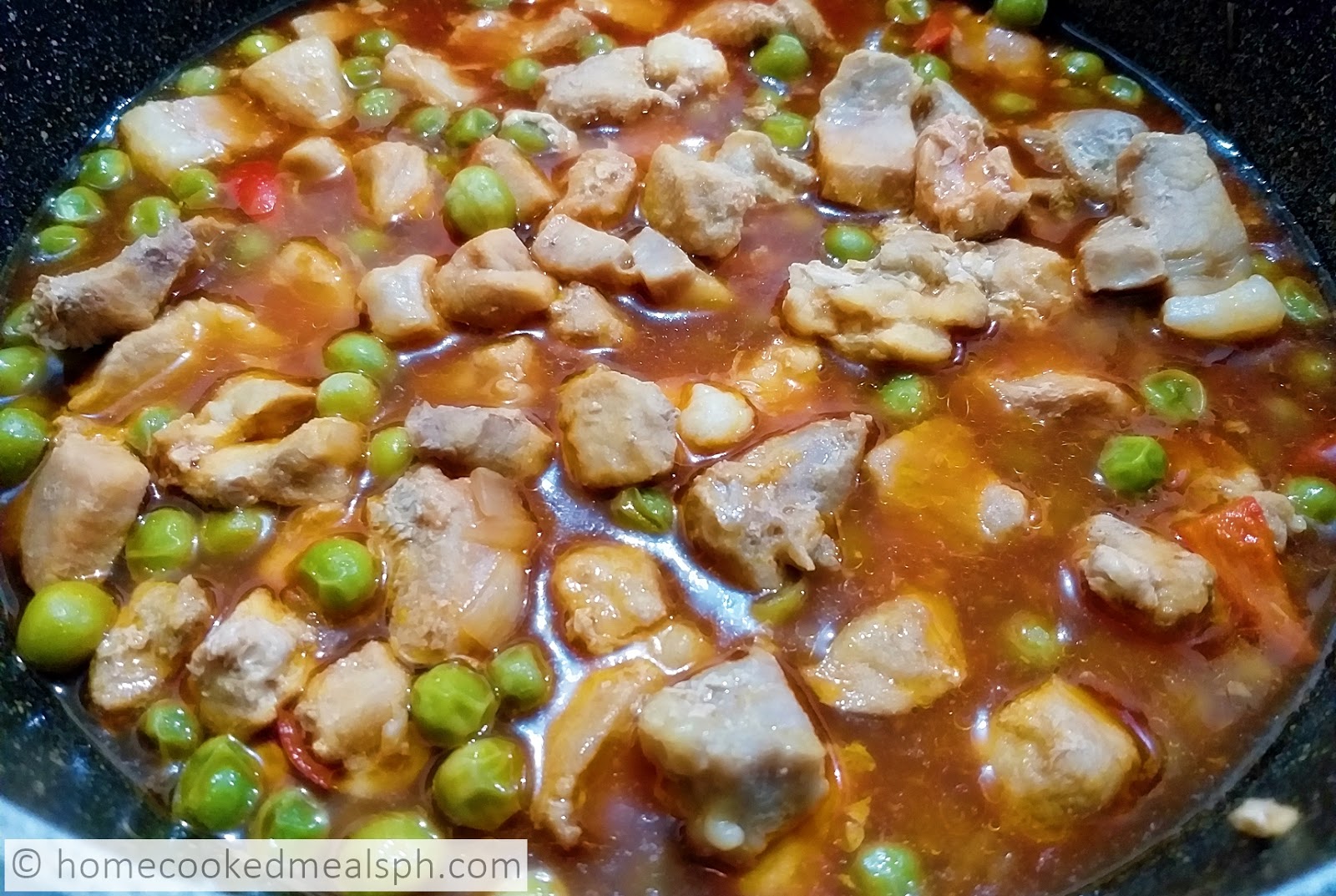
Pork guisantes is a flavorful and versatile dish that pairs well with a variety of side dishes and beverages. Traditional accompaniments include steamed rice, which helps to soak up the savory sauce. Other popular sides include green salad, macaroni salad, and potato salad.
For a more modern twist, consider serving pork guisantes with roasted vegetables, grilled pineapple, or mashed sweet potatoes.When choosing a wine to pair with pork guisantes, consider the richness and acidity of the dish. A full-bodied red wine, such as a Cabernet Sauvignon or Merlot, can stand up to the robust flavors of the pork.
A lighter red wine, such as a Pinot Noir, or a white wine with good acidity, such as a Sauvignon Blanc or Chardonnay, can also be good choices.To create a complete Hawaiian-inspired meal, start with appetizers such as kalua pig tacos or poke.
For dessert, consider serving haupia or banana lumpia. Don't forget to accompany the meal with a refreshing beverage such as mai tai or pineapple juice.
Health and Nutritional Considerations

Pork guisantes is a nutritious dish that provides a good balance of macronutrients. Lean cuts of pork are a good source of protein, while vegetables like peas and carrots provide fiber, vitamins, and minerals.
Incorporating vegetables into pork guisantes increases its nutritional value and makes it a more well-rounded meal. Vegetables are low in calories and fat, and they provide essential vitamins, minerals, and fiber.
Health Benefits of Using Lean Cuts of Pork
- Lean cuts of pork are a good source of protein, which is essential for building and repairing tissues.
- Pork is also a good source of iron, which is necessary for carrying oxygen throughout the body.
- Lean cuts of pork are relatively low in saturated fat, which can help to reduce the risk of heart disease.
Tips for Making Healthier Versions of Pork Guisantes
- Use lean cuts of pork, such as pork tenderloin or pork loin.
- Incorporate plenty of vegetables into the dish, such as peas, carrots, and onions.
- Use low-sodium broth or water to make the sauce.
- Avoid adding excessive amounts of salt or sugar.
Conclusion
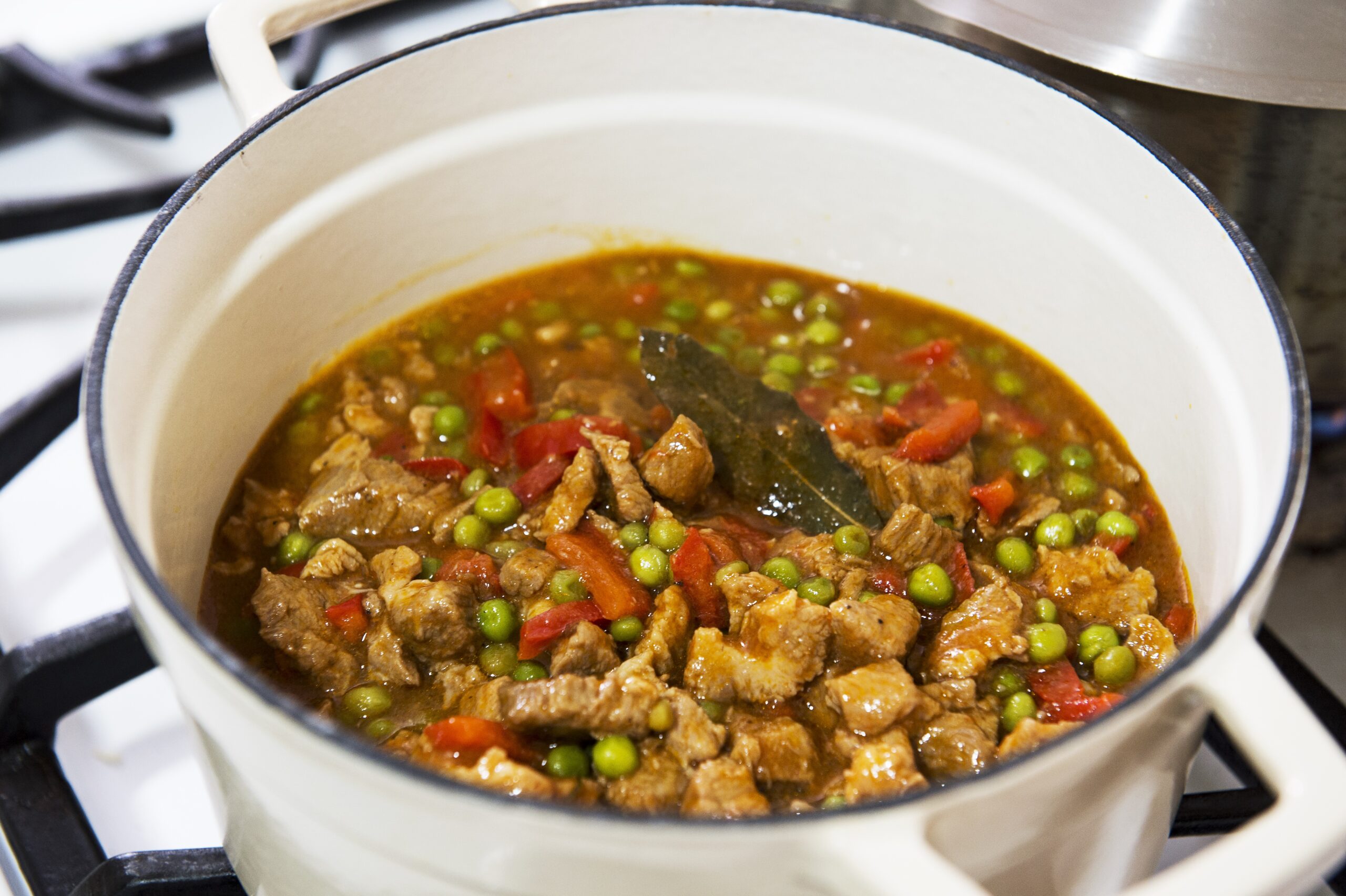
Whether savored as a comforting family meal or presented as an exquisite culinary creation, pork guisantes Hawaii continues to enchant diners with its rich flavors, versatility, and cultural significance. From traditional preparations to contemporary interpretations, this dish remains a testament to the vibrant culinary heritage of the Hawaiian Islands.


