Tavern Style Pizza Recipe – Step into the tantalizing world of Tavern Style Pizza, where crispy crusts, flavorful sauces, and a rich history intertwine to create a culinary masterpiece. This delectable dish has evolved from humble origins to become a beloved staple, gracing tables across the globe.
Unveiling the secrets behind its irresistible charm, this comprehensive guide will take you on a journey through the ingredients, techniques, and cultural significance of Tavern Style Pizza. Let’s embark on this gastronomic adventure, where every bite promises a taste of tradition and a touch of innovation.
Introduction
Tavern-style pizza, also known as bar pizza or pub-style pizza, is a type of pizza characterized by its thin, crispy crust and abundant toppings. It originated in taverns and bars in the United States, particularly in the Northeast, and has since become a popular style of pizza across the country.
Tavern-style pizza is typically made with a thin layer of dough that is stretched or rolled out and then baked in a hot oven. The crust is often crispy and slightly charred, and it is usually topped with a generous amount of cheese and other toppings. Common toppings for tavern-style pizza include pepperoni, sausage, onions, peppers, and mushrooms.
Tavern-style pizza is often served in square or rectangular slices, and it is typically eaten with a fork and knife. It is a popular choice for parties and gatherings, and it is also a popular takeout option.
Origins and Evolution
Tavern-style pizza is thought to have originated in the early 1900s in taverns and bars in the Northeast United States. At the time, pizza was a popular food in Italian immigrant communities, and it was often served in taverns and bars as a snack or appetizer. Over time, tavern-style pizza evolved into its own distinct style of pizza, with its thin, crispy crust and abundant toppings.
Today, tavern-style pizza is a popular style of pizza across the United States. It is often served in taverns and bars, but it is also available at many pizzerias and restaurants. Tavern-style pizza is a versatile dish that can be customized with a variety of toppings, and it is a popular choice for parties and gatherings.
Ingredients

Creating a delicious tavern-style pizza requires a specific set of ingredients that contribute to its unique flavor and texture.
The key components include:
Flour
- High-protein bread flour: Provides a strong gluten structure, resulting in a chewy crust.
- Semolina flour: Adds a slight crunch and golden-brown color to the crust.
Yeast
- Active dry yeast: Triggers the fermentation process, creating carbon dioxide gas that forms bubbles in the dough.
Water
- Warm water: Activates the yeast and initiates dough formation.
Salt
- Kosher salt: Enhances the flavor of the dough and inhibits yeast growth, preventing over-fermentation.
Olive oil
- Extra-virgin olive oil: Adds flavor and tenderness to the crust.
Sauce
- Tomato sauce: The base of the pizza, providing a tangy and savory flavor.
Cheese
- Mozzarella cheese: A classic topping that melts smoothly, creating a gooey texture.
- Parmesan cheese: Adds a salty and nutty flavor, enhancing the overall taste.
Toppings
- Pepperoni, sausage, onions, mushrooms: Common toppings that add variety and flavor to the pizza.
Dough Preparation

Creating the dough for tavern-style pizza is a crucial step that sets the foundation for the final product. The dough should be pliable, chewy, and have a slightly crispy exterior. To achieve this, several techniques and methods can be employed.
One common approach involves using a combination of high-protein bread flour and all-purpose flour. The bread flour provides strength and elasticity, while the all-purpose flour adds softness and pliability. The dough is typically mixed with water, yeast, salt, and a small amount of oil or sugar to enhance flavor and texture.
Autolyse
To further develop the dough’s flavor and elasticity, a technique called autolyse can be used. This involves mixing the flour and water together and allowing it to rest for a period of time, usually around 30 minutes. During this resting period, the flour absorbs the water and the gluten proteins begin to hydrate, creating a stronger and more extensible dough.
Kneading
After autolyse, the dough is kneaded to further develop the gluten network and strengthen the dough. Kneading can be done by hand or using a stand mixer with a dough hook attachment. The dough should be kneaded until it becomes smooth, elastic, and slightly tacky.
Fermentation
Once the dough is kneaded, it is allowed to ferment or rise. This process helps to develop the dough’s flavor and texture. Fermentation can be done at room temperature or in the refrigerator, with the latter option allowing for a longer and slower rise. During fermentation, the yeast consumes the sugars in the dough and produces carbon dioxide gas, which creates the characteristic air pockets in the pizza crust.
Sauce Creation
Creating a flavorful tavern-style pizza sauce is essential for achieving the authentic taste of this beloved dish. While there are various sauce options available, each with its own distinct characteristics, we will focus on the classic tomato-based sauce commonly used in tavern-style pizzas.
The foundation of a great tavern-style pizza sauce lies in the selection of high-quality tomatoes. San Marzano tomatoes, known for their rich flavor and low acidity, are a popular choice among pizza enthusiasts. These tomatoes can be found canned or crushed, making them readily available for home cooks.
Herbs and Spices
To enhance the flavor of the sauce, a blend of herbs and spices is essential. Oregano, basil, and thyme are classic choices that add an aromatic depth to the sauce. Garlic and onions provide a savory base, while a touch of red pepper flakes adds a subtle kick of heat. Experimenting with different combinations of herbs and spices can lead to unique and personalized sauces.
Toppings and Combinations
Tavern-style pizzas are known for their generous toppings and bold flavor combinations. Common toppings include pepperoni, sausage, mushrooms, onions, and green peppers. These toppings can be combined in various ways to create a wide range of flavor profiles.
When choosing toppings for your tavern-style pizza, consider the following tips:
- Start with a base of your favorite sauce and cheese. This will provide a solid foundation for your toppings.
- Choose toppings that complement each other in flavor and texture. For example, pepperoni and sausage are both savory and slightly spicy, while mushrooms and onions add a touch of sweetness and earthiness.
- Don’t overload your pizza with toppings. Too many toppings can make your pizza soggy and difficult to eat.
- Be creative and experiment with different topping combinations. There are no rules when it comes to tavern-style pizza, so feel free to mix and match your favorite toppings until you find a combination that you love.
Popular Topping Combinations
Here are some popular topping combinations for tavern-style pizza:
- The classic: Pepperoni, sausage, mushrooms, onions, and green peppers
- The meat lover’s: Pepperoni, sausage, bacon, and ground beef
- The veggie: Mushrooms, onions, green peppers, tomatoes, and olives
- The white: Mozzarella cheese, ricotta cheese, garlic, and herbs
- The BBQ chicken: BBQ sauce, chicken, bacon, and red onions
Baking
To achieve the perfect tavern-style pizza, it is essential to bake it at the optimal temperature and for the correct duration. The ideal baking temperature for tavern-style pizza is between 500-550°F (260-288°C). This high temperature allows the pizza to cook quickly, resulting in a crispy crust and a gooey, melted interior.
The baking time will vary depending on the thickness of the pizza and the temperature of the oven. As a general rule, a 12-inch (30 cm) pizza will take about 10-12 minutes to bake. It is important to keep an eye on the pizza during baking to ensure that it does not overcook.
The tavern-style pizza, with its crispy crust and generous toppings, is a beloved classic. If you’re looking to elevate your pizza game, consider experimenting with a sourdough base. The tangy flavor of sourdough adds depth to the pizza, complementing the richness of the toppings.
For a unique twist, try incorporating the Sourdough Pumpernickel Bread Recipe into your pizza dough. The nutty flavor of pumpernickel adds a layer of complexity that will impress even the most discerning pizza enthusiasts.
Crispy Crust, Tavern Style Pizza Recipe
To achieve a crispy crust, it is important to use a high-quality baking stone or pizza steel. These materials will help to evenly distribute the heat and prevent the pizza from sticking. It is also important to preheat the baking stone or pizza steel before baking the pizza. This will help to create a hot surface that will quickly cook the pizza crust.
Tavern Style Pizza is a delightful treat for pizza lovers. Its crispy crust and flavorful toppings make it a favorite among many. If you’re looking for a sweet and comforting drink to pair with your pizza, consider trying the Starbucks Apple Crisp Oatmilk Macchiato Recipe . This beverage offers a delightful blend of apple, cinnamon, and oat milk, creating a cozy and aromatic experience.
After enjoying this sweet treat, return to your Tavern Style Pizza and savor its crispy crust and tantalizing toppings.
Gooey Interior
To achieve a gooey interior, it is important to use a generous amount of cheese. The cheese should be shredded and evenly distributed over the pizza crust. It is also important to use a sauce that is not too thick. A thin sauce will allow the cheese to melt and become gooey.
Serving Suggestions
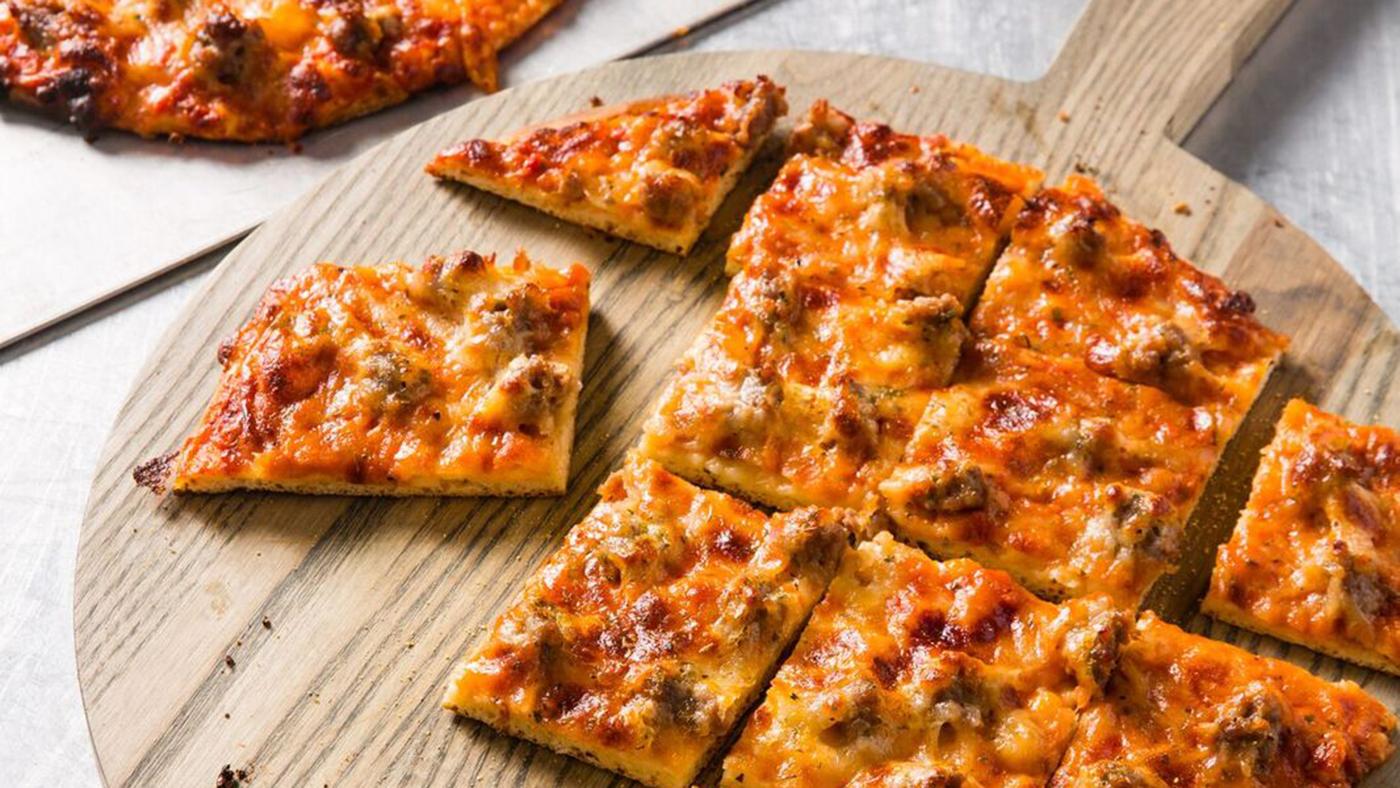
Tavern-style pizza can be served in various ways to enhance its enjoyment.
Side Dishes and Accompaniments
Complementing tavern-style pizza with side dishes and accompaniments can elevate the dining experience. Consider serving it with:
- Salads: Fresh and light salads, such as a classic Caesar salad or a refreshing Caprese salad, provide a balanced contrast to the richness of the pizza.
- Appetizers: Bite-sized appetizers like mozzarella sticks or garlic knots offer a savory start to the meal and can stimulate the appetite for the pizza.
- Dipping Sauces: Enhance the flavors of the pizza by offering a variety of dipping sauces, such as marinara, garlic butter, or ranch dressing.
Variations and Experimentation
Tavern-style pizza offers a canvas for culinary exploration. Embark on a journey of experimentation, discovering unique flavor combinations and ingredient variations that elevate this classic dish.
Embrace the opportunity to customize your pizza with a diverse array of toppings. From traditional pepperoni and sausage to adventurous choices like roasted vegetables, grilled pineapple, or even pulled pork, the possibilities are endless.
Crust Variations
- Experiment with different flours, such as whole wheat, rye, or gluten-free options, to create crusts with varying textures and flavors.
- Incorporate herbs, spices, or even cheese into the dough for a more flavorful base.
Sauce Innovations
- Craft unique sauces by blending traditional tomato sauce with herbs, spices, or even pureed vegetables for added depth and complexity.
- Consider using white sauces, such as Alfredo or béchamel, for a creamy and flavorful alternative.
Toppings Extravaganza
- Explore unconventional toppings like roasted butternut squash, caramelized onions, or sautéed mushrooms for a gourmet twist.
- Experiment with different cheese combinations, from classic mozzarella to sharp cheddar or tangy goat cheese, to create a symphony of flavors.
Nutritional Considerations
Tavern-style pizza is a high-calorie food, with a single slice typically containing around 300-400 calories. It is also high in fat, with a single slice containing around 15-20 grams of fat. However, there are ways to make tavern-style pizza healthier without compromising taste.
One way to make tavern-style pizza healthier is to use whole-wheat flour instead of white flour. Whole-wheat flour is a good source of fiber, which can help to keep you feeling full and satisfied after eating. It is also a good source of vitamins and minerals, such as iron, magnesium, and zinc.
Another way to make tavern-style pizza healthier is to use lean protein toppings, such as grilled chicken or fish. These toppings are a good source of protein, which can help to build and repair muscle tissue. They are also a good source of vitamins and minerals, such as iron, zinc, and selenium.
Finally, you can make tavern-style pizza healthier by using low-fat cheese. Low-fat cheese is a good source of calcium, which is important for bone health. It is also a good source of protein, which can help to build and repair muscle tissue.
Serving Size
It is important to be mindful of serving size when eating tavern-style pizza. A single slice of tavern-style pizza is a large serving, and it is easy to overeat. If you are trying to lose weight or maintain a healthy weight, it is best to limit yourself to one or two slices of tavern-style pizza per meal.
Historical and Cultural Significance
Tavern-style pizza has a rich history and cultural significance, deeply intertwined with the social and culinary traditions of various communities around the world.
Originating in the bustling taverns and pubs of Europe, tavern-style pizza emerged as a convenient and affordable meal for patrons seeking a quick and satisfying snack. Its simplicity and versatility made it a popular choice, often served alongside beer or other alcoholic beverages.
Over time, tavern-style pizza evolved into a beloved dish in its own right, embraced by different cultures and cuisines. In the United States, it became a staple of Italian-American communities, finding a place on menus alongside classic dishes like spaghetti and meatballs. In other parts of the world, it took on local flavors and influences, reflecting the diverse culinary landscapes of different regions.
Tavern-Style Pizza in American Culture
In the United States, tavern-style pizza holds a special place in American culinary history. It became a staple of Italian-American communities, particularly in working-class neighborhoods where it was a popular and affordable meal.
Tavern-style pizza often served as a gathering point for friends and family, fostering a sense of community and camaraderie. It was enjoyed at local taverns, pubs, and pizzerias, becoming a beloved dish that transcended cultural boundaries and became a part of the American culinary fabric.
Comparison to Other Pizza Styles
Tavern-style pizza is distinct from other popular pizza styles in several ways. While it shares some similarities with other styles, it also has unique characteristics that set it apart.
Compared to Neapolitan pizza, tavern-style pizza is thicker and has a chewier crust. The dough is typically made with a blend of flours, including bread flour and high-gluten flour, which gives it a sturdy texture. The sauce is usually a chunky tomato sauce, and the toppings are often more generous than on Neapolitan pizza.
New York-style Pizza
- Tavern-style pizza has a thicker crust than New York-style pizza, and the crust is not as crispy.
- Tavern-style pizza is typically cooked in a pan, while New York-style pizza is cooked on a stone.
- Tavern-style pizza often has more toppings than New York-style pizza.
Chicago-style Pizza
- Tavern-style pizza has a thinner crust than Chicago-style pizza, and the crust is not as deep.
- Tavern-style pizza is typically cooked in a pan, while Chicago-style pizza is cooked in a deep dish.
- Tavern-style pizza has less cheese than Chicago-style pizza.
Closing Notes: Tavern Style Pizza Recipe
As we bid farewell to this culinary exploration, the legacy of Tavern Style Pizza endures. Its versatility, adaptability, and timeless appeal have cemented its place in the hearts of pizza enthusiasts worldwide. Whether enjoyed as a comforting classic or a canvas for culinary creativity, this dish continues to inspire and delight.
May your future pizza-making endeavors be filled with crispy crusts, savory sauces, and a touch of that inimitable tavern spirit. Remember, the true essence of Tavern Style Pizza lies in its ability to bring people together, creating memories and forging bonds over shared slices of deliciousness.