Embark on a tantalizing culinary adventure with our comprehensive guide to Thai recipes restaurant menu. From the vibrant streets of Bangkok to the serene shores of Phuket, Thai cuisine captivates taste buds with its exquisite blend of flavors, aromatic herbs, and fresh ingredients.
Whether you’re a seasoned foodie or a novice explorer, this guide will equip you with the knowledge and inspiration to create an unforgettable Thai dining experience.
Our journey begins with a deep dive into the diverse regional variations of Thai cuisine, showcasing the unique culinary traditions of Northern, Central, Northeastern, and Southern Thailand. We’ll explore the influence of geography and local ingredients on these regional variations, highlighting the dishes that define each region’s culinary identity.
Popular Thai Dishes
Thai cuisine is renowned for its vibrant flavors and aromatic ingredients, captivating taste buds worldwide. Among the plethora of delectable dishes, a few stand out as the most popular and beloved.
These culinary creations showcase the harmonious blend of sweet, sour, salty, and spicy notes that define Thai gastronomy. Let’s delve into the tantalizing world of Thailand’s most famous dishes.
Pad Thai
Pad Thai, a national dish of Thailand, is a stir-fried noodle dish that embodies the essence of Thai street food. Its quintessential ingredients include flat rice noodles, stir-fried with a sweet and tangy sauce, bean sprouts, peanuts, and lime wedges.
The key to Pad Thai’s allure lies in the delicate balance of flavors, where the sweetness of the sauce harmonizes with the sourness of the lime, while the crunch of the peanuts adds a textural contrast.
Tom Yum Goon
Tom Yum Goon, a spicy and aromatic soup, is a staple of Thai cuisine. This flavorful broth is prepared with a blend of lemongrass, galangal, kaffir lime leaves, and chili peppers, resulting in a tantalizing symphony of flavors.
The star ingredient of Tom Yum Goon is the plump prawns, which add a succulent sweetness to the dish. The soup’s vibrant red hue comes from the addition of chili paste, giving it a fiery kick that lingers on the palate.
Green Curry
Green Curry, also known as Kaeng Khiao Wan, is a rich and flavorful curry that showcases the versatility of Thai cuisine. Its vibrant green color comes from the use of fresh green chilies, which lend a spicy and aromatic kick to the dish.
Green Curry is typically prepared with a base of coconut milk, which adds a creamy richness to the sauce. The curry paste, made from a blend of green chilies, lemongrass, galangal, and kaffir lime leaves, infuses the dish with a complex and aromatic flavor profile.
Regional Variations
Thai cuisine exhibits distinct regional variations, reflecting the country’s diverse geography and local ingredients.
The four main regions of Thailand, each with its unique culinary traditions, are:
Northern Thai Cuisine
- Influenced by neighboring Laos and Myanmar, Northern Thai cuisine is known for its mild flavors and extensive use of herbs and spices.
- Popular dishes include “khao soi,” a noodle soup with coconut milk and curry paste, and “sai ua,” a grilled pork sausage.
Central Thai Cuisine
- The heart of Thai cuisine, Central Thai food is characterized by its balance of sweet, sour, salty, and spicy flavors.
- Signature dishes include “pad thai,” stir-fried rice noodles with shrimp, and “tom yum goong,” a spicy and sour soup with shrimp.
Northeastern Thai Cuisine
- Northeastern Thai cuisine, known as “Isan food,” is heavily influenced by Laos and Cambodia, featuring fermented and grilled dishes.
- Popular dishes include “som tum,” a spicy papaya salad, and “gai yang,” grilled chicken marinated in herbs and spices.
Southern Thai Cuisine
- Southern Thai cuisine is known for its bold flavors, extensive use of seafood, and coconut milk.
- Signature dishes include “massaman curry,” a mild and creamy curry with peanuts, and “khao mok,” a steamed rice dish with meat and spices.
Vegetarian and Vegan Options: Thai Recipes Restaurant Menu
Thai cuisine offers a diverse range of vegetarian and vegan dishes that cater to specific dietary needs. These dishes are typically characterized by their use of fresh vegetables, tofu, and aromatic spices.
Popular Vegetarian and Vegan Thai Dishes
- Pad See Ew:A stir-fried noodle dish with vegetables, tofu, and a sweet and savory sauce.
- Khao Pad Sapparot:Fried rice with vegetables, pineapple, and tofu.
- Tom Kha Gai:A coconut milk-based soup with vegetables, tofu, and mushrooms.
- Gaeng Daeng:A red curry with vegetables, tofu, and bamboo shoots.
- Massaman Curry:A mild curry with vegetables, tofu, and peanuts.
Spice Levels
Thai cuisine is renowned for its bold and flavorful dishes, and spice plays a central role in creating these tantalizing experiences. Understanding the different spice levels is crucial for diners to tailor their dining experience to their personal preferences.
Thai cuisine utilizes a wide range of spices, including chili peppers, garlic, ginger, lemongrass, and galangal. The intensity of spice can vary significantly, depending on the region, the chef’s style, and the individual dish.
If you’re craving a taste of Thailand, check out some of the authentic thai recipes restaurant menu has to offer. From classic dishes like pad thai and green curry to more adventurous options like khao soi and boat noodles, there’s something for everyone to enjoy.
And if you’re looking for a refreshing cocktail to pair with your meal, be sure to try the lemon drop cocktail recipe limoncello . It’s the perfect balance of sweet and tart, and it’s sure to quench your thirst. Afterwards, you can get back to exploring the thai recipes restaurant menu and discover even more delicious dishes.
Choosing Dishes Based on Spice Tolerance
To help diners navigate the spice spectrum, many Thai restaurants offer a guide to indicate the heat level of each dish. These guides typically use a scale of 1 to 5, with 1 being mild and 5 being extremely spicy.
For those with a low tolerance for heat, dishes labeled as “mild” or “medium” are recommended. These dishes offer a balance of flavors without overpowering the palate with spice. Dishes labeled as “spicy” or “very spicy” are suitable for those who enjoy a more intense heat experience.
It’s always advisable to start with a milder dish and gradually increase the spice level as desired.
Accompaniments
Thai cuisine is renowned for its vibrant flavors and aromatic dishes, and accompaniments play a crucial role in enhancing these culinary delights. From fluffy rice to flavorful noodles and tangy sauces, these accompaniments complement the main dishes, providing a harmonious balance of textures and tastes.
Rice
Rice is a staple in Thai cuisine, serving as the perfect canvas for the aromatic curries, spicy stir-fries, and savory soups. Its neutral flavor allows it to absorb the rich flavors of the main dishes without overpowering them. Jasmine rice, with its delicate floral aroma and fluffy texture, is a popular choice, while sticky rice, with its glutinous texture, is often paired with mango for a sweet and savory treat.
Noodles
Noodles, in their various forms, are another essential accompaniment in Thai cuisine. Pad Thai, a beloved street food dish, features flat rice noodles stir-fried with a sweet and tangy sauce, while khao soi, a northern Thai specialty, uses crispy egg noodles in a flavorful curry broth.
Glass noodles, made from mung bean starch, add a translucent and chewy texture to salads and stir-fries.
Sauces
Thai sauces are a culinary symphony of flavors, ranging from sweet and tangy to spicy and aromatic. Sriracha, a chili-based sauce, adds a fiery kick to dishes, while sweet chili sauce provides a balanced blend of sweetness and heat. Fish sauce, a fermented seafood condiment, imparts a savory umami flavor, and oyster sauce adds a rich and slightly sweet touch to stir-fries and curries.
Health Benefits
Thai cuisine is renowned not only for its tantalizing flavors but also for its potential health benefits. The generous use of fresh ingredients, herbs, and spices contributes to a nutrient-rich culinary experience.
Thai dishes often incorporate an array of vegetables, such as bell peppers, carrots, onions, and leafy greens, providing a wealth of vitamins, minerals, and antioxidants.
Spices and Herbs
Thai cuisine is characterized by its vibrant blend of spices and herbs, which not only enhance flavor but also possess medicinal properties. Turmeric, for instance, contains curcumin, a compound with anti-inflammatory and antioxidant effects.
Galangal, a type of ginger, is believed to have antibacterial and antiviral properties. Lemongrass, with its refreshing citrus notes, is rich in antioxidants and may aid digestion.
Cultural Significance
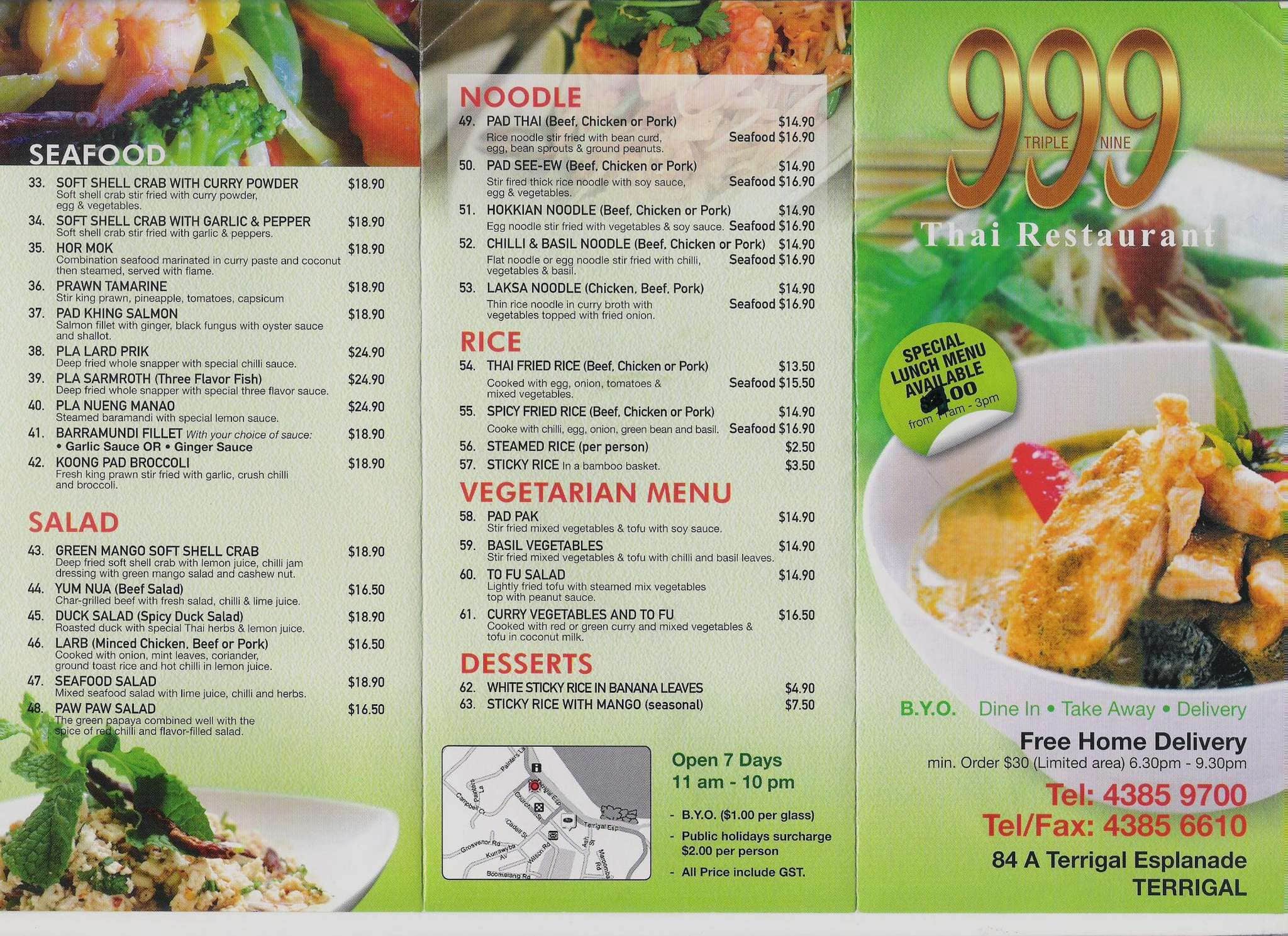
Thai cuisine is deeply ingrained in Thai culture, serving as a reflection of the country’s history, traditions, and beliefs. It is an integral part of Thai identity, shaping social interactions, festivals, and religious ceremonies.
Thai food reflects the country’s diverse geography, with influences from neighboring countries like China, India, and Cambodia. The use of fresh ingredients, herbs, and spices creates a unique flavor profile that distinguishes Thai cuisine from others.
Role in Thai Society
Thai cuisine plays a central role in Thai society. It is a way of life, bringing people together for communal meals and celebrations. Food is often shared, promoting a sense of community and togetherness.
Thai cuisine is also an expression of creativity and artistry. Chefs take pride in their culinary skills, creating dishes that are not only delicious but also visually appealing.
Historical Influences, Thai recipes restaurant menu
Thai cuisine has been shaped by centuries of history. The ancient Ayutthaya Kingdom, with its extensive trade network, introduced new ingredients and cooking techniques from neighboring countries.
The arrival of European traders in the 16th century brought further influences, with the introduction of chili peppers and tomatoes. These ingredients became integral to Thai cuisine, adding a distinctive spicy and tangy flavor.
Religious Significance
Thai cuisine also has religious significance. Buddhism, the dominant religion in Thailand, emphasizes the importance of moderation and balance. This is reflected in the use of fresh ingredients and a variety of flavors in Thai dishes.
Many Thai dishes are vegetarian or vegan, catering to the dietary restrictions of Buddhist monks and lay people. These dishes often incorporate tofu, vegetables, and herbs.
Presentation

Thai cuisine is renowned for its vibrant presentation, which enhances the overall dining experience. Dishes are meticulously arranged with an array of colors, textures, and garnishes that appeal to both the eyes and the palate.
One of the most striking features of Thai presentation is the use of contrasting colors. Vibrant greens, reds, and oranges from fresh vegetables and fruits create a visually appealing canvas. Chefs often incorporate intricate carvings and shapes into fruits and vegetables, adding an artistic touch to the dishes.
Servingware
Thai dishes are typically served in unique and decorative servingware. Clay pots, banana leaves, and bamboo baskets are commonly used, adding a rustic and authentic ambiance to the dining experience. These vessels not only enhance the presentation but also contribute to the flavor of the dishes, as they absorb and release subtle aromas.
Garnishes
Garnishes play a crucial role in Thai presentation. Fresh herbs, such as cilantro, basil, and mint, add vibrant colors and aromatic notes to the dishes. Lime wedges, chili peppers, and pickled vegetables provide contrasting textures and flavors, creating a harmonious balance.
Ingredients
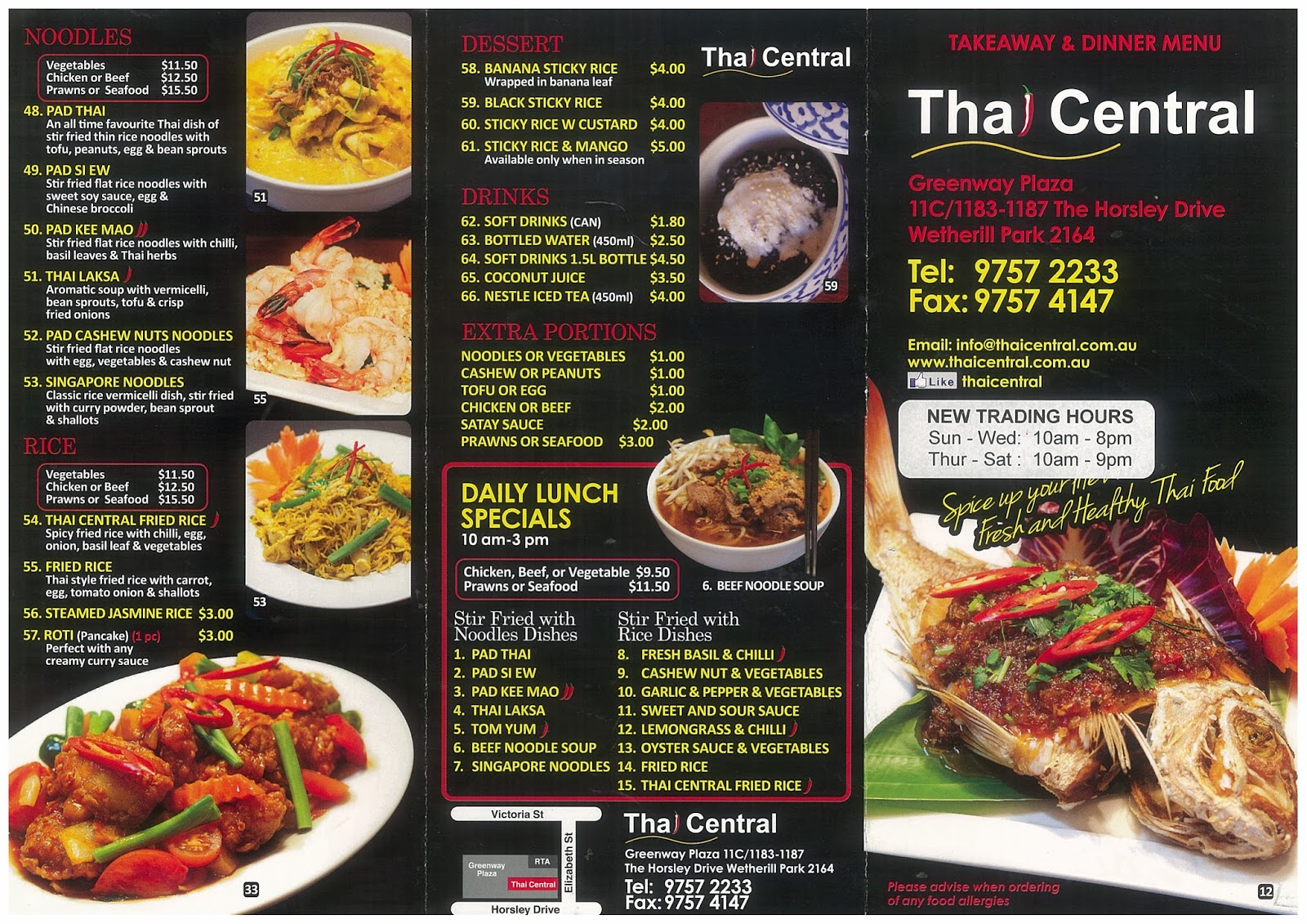
Thai cuisine is renowned for its vibrant flavors and aromatic ingredients. These ingredients are sourced from various regions of Thailand and beyond, each contributing its unique essence to the culinary landscape.Essential ingredients in Thai cooking include:
Herbs and Spices
-
-*Thai Basil (Horapha)
A staple herb with an intense, slightly sweet flavor. It’s used in stir-fries, soups, and curries.
-*Coriander (Phaak Chee)
Fresh coriander leaves add a citrusy, aromatic note to dishes.
-*Galangal (Kha)
A close relative of ginger, galangal has a pungent, earthy flavor and is used in curries, soups, and salads.
-*Kaempferia Galanga (Krachai)
A rhizome with a peppery, slightly bitter taste. It’s often used in curries and soups.
-*Lemongrass (Takhrai)
A fragrant herb with a citrusy aroma. It’s used in soups, curries, and stir-fries.
Vegetables
-
-*Chili Peppers (Phrik)
Thai cuisine is famous for its use of chili peppers, which range in heat level from mild to extremely hot.
-*Garlic (Kra Thiam)
A staple ingredient used in various dishes, adding a savory and aromatic flavor.
-*Ginger (Khing)
Fresh ginger adds a spicy, zesty flavor to dishes.
-*Onions (Hom Daeng)
Red onions are commonly used in salads and stir-fries.
-*Shallots (Hom)
Shallot bulbs have a milder flavor than onions and are used in various dishes.
Sauces and Condiments
-
-*Fish Sauce (Nam Pla)
A fermented fish sauce that adds a salty, umami flavor to dishes.
-*Oyster Sauce (Nam Man Hoy)
A thick, savory sauce made from oyster extract.
-*Soy Sauce (See Iu)
A fermented soybean sauce used for seasoning and dipping.
-*Sweet Chili Sauce (Nam Chim Kai)
A sweet and spicy sauce used as a condiment or dipping sauce.
Cooking Techniques
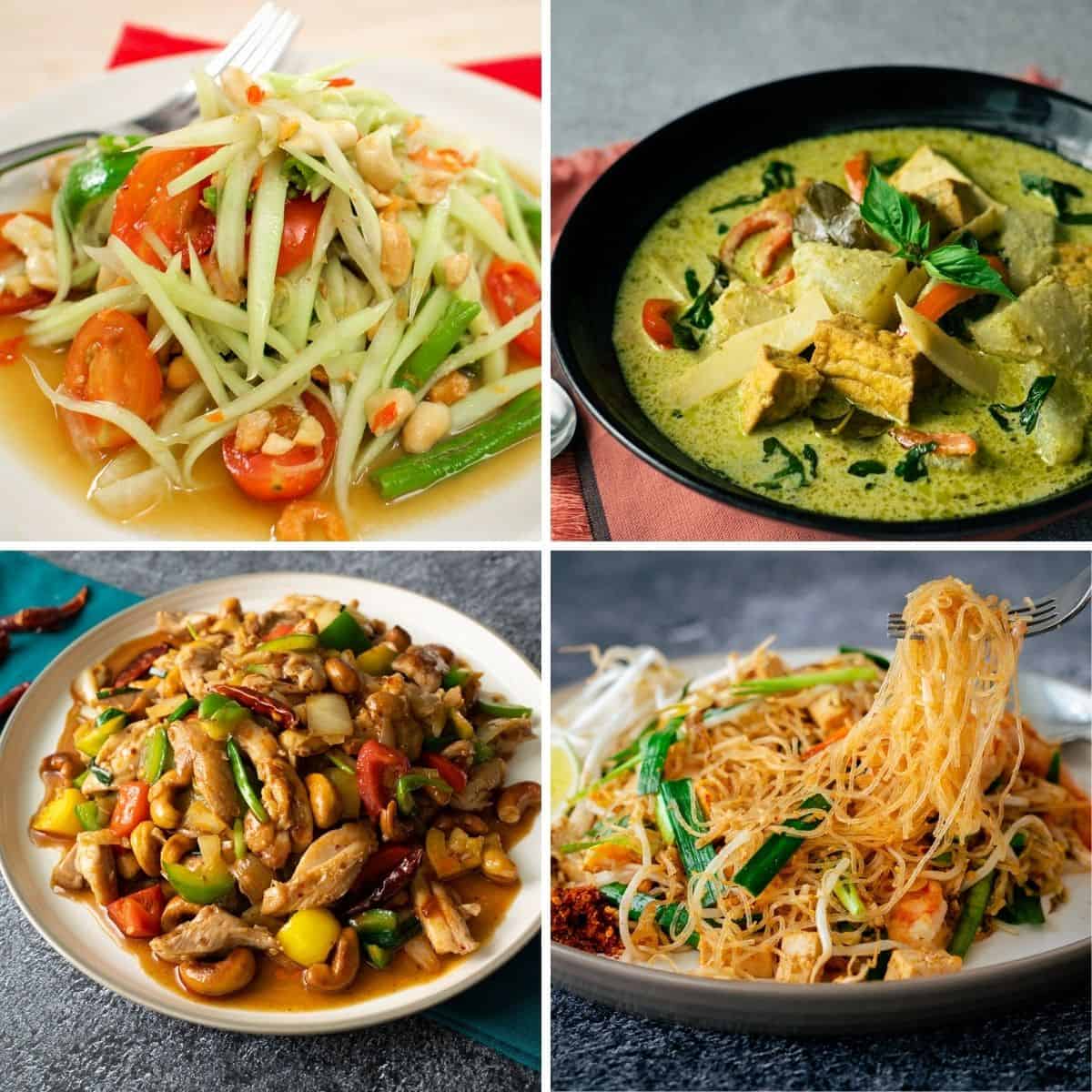
Thai cuisine employs a diverse range of cooking techniques that enhance the flavors and textures of its dishes. These techniques include stir-frying, steaming, and grilling, each contributing to the unique culinary experience of Thai food.
Stir-Frying
Stir-frying is a prevalent technique in Thai cooking, where ingredients are rapidly cooked in a hot wok or pan with a small amount of oil. This method preserves the vibrant colors and crisp textures of vegetables while infusing them with a distinctive smoky flavor.
The constant stirring ensures even cooking and prevents the ingredients from sticking to the pan.
Steaming
Steaming is another important technique used in Thai cuisine. It involves cooking food over boiling water or steam, allowing the ingredients to retain their natural flavors and nutrients. This method is often used for delicate dishes such as fish, vegetables, and dumplings, as it prevents them from becoming tough or overcooked.
Grilling
Grilling is a popular technique for preparing meats, seafood, and vegetables in Thai cuisine. Grilling imparts a smoky flavor and a slightly charred exterior to the ingredients, enhancing their taste and aroma. This method is often used for dishes such as satay, grilled chicken, and grilled seafood.
End of Discussion
As we conclude our exploration of Thai recipes restaurant menu, we leave you with a profound appreciation for the cultural significance and health benefits of this vibrant cuisine. Thai dishes are not merely meals; they are culinary masterpieces that reflect the rich history, traditions, and beliefs of the Thai people.
Embrace the opportunity to incorporate these flavors into your restaurant menu and offer your patrons an unforgettable dining experience that will transport them to the heart of Thailand.
